Best Chainsaw Chaps and Safety Gear: What You Actually Need (And What's Overkill)
The gear between you and a chainsaw injury costs less than a tank of gas
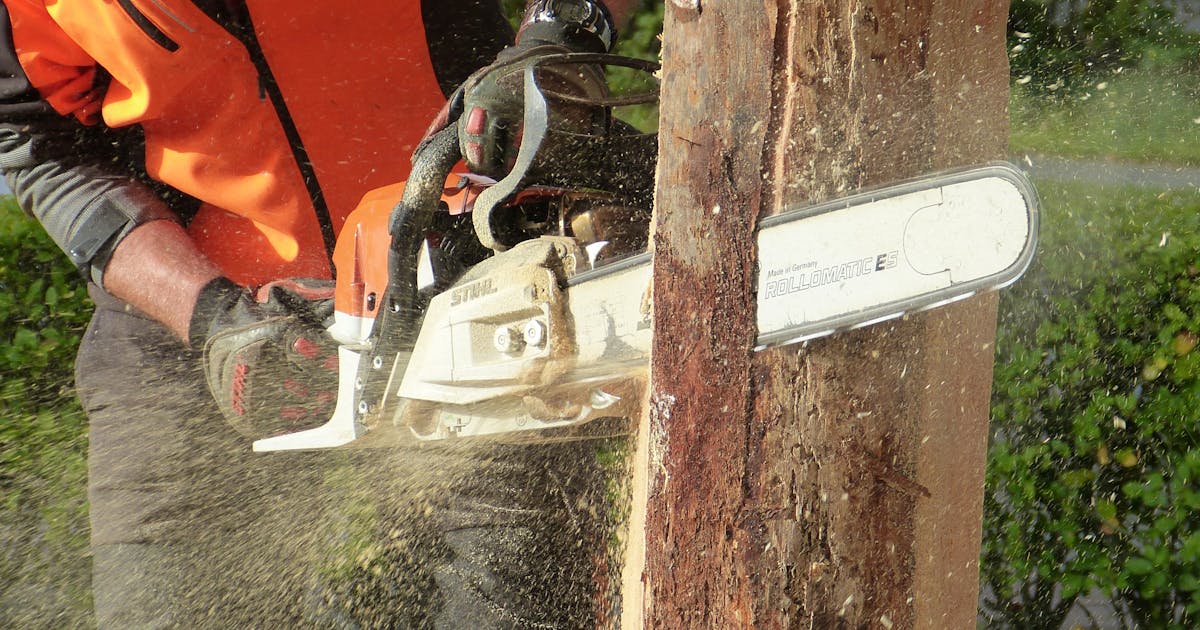
Nobody buys chainsaw safety gear because they want to. They buy it because chainsaws cause over 36,000 injuries per year in the US, and the vast majority happen to homeowners who figured "I'm just making a few cuts." Chainsaws don't care how few cuts you're making. A chain spinning at 60 mph will cut through denim, leather, and skin before your brain processes that something went wrong.
Whether you're running a Stihl MS 271, a Husqvarna 450 Rancher, or a Milwaukee M18 battery saw, the safety gear is the same. Here's what you actually need, what you can skip, and why the cheap stuff is fine for homeowner use.
Chainsaw Chaps: The Non-Negotiable
Chainsaw chaps are the single most important piece of protective gear you can wear. They work by a simple, brutal mechanism: multiple layers of Kevlar or Tek Warp fiber are sewn between the outer shell. When a chain contacts the chaps, it cuts through the outer layer and catches the loose fibers, which get yanked into the chain drive mechanism, jamming and stopping the chain in under one second.
That one second is the difference between a surface cut and a severed artery. Chainsaw injuries to the legs — the most common contact point — are drastically reduced by chaps. They're not optional. They're the seatbelt of chainsaw work.
Best Chainsaw Chaps for Homeowners
Forester Chainsaw Chaps ($50-$70): The most popular homeowner chaps on Amazon for good reason. They're UL-listed, have 8 layers of cut-retardant material, adjust to fit most sizes, and come in multiple lengths. They're not the fanciest chaps on the market, but they meet all the safety standards and they're priced so you have no excuse not to buy them.
Husqvarna Technical Chaps ($65-$85): Slightly better build quality and fit than the Forester. If you're wearing them regularly (weekly firewood processing), the comfort and adjustability are worth the premium. Same UL-listed protection.
Oregon Chainsaw Chaps ($55-$75): Comparable to Forester in quality and protection. Oregon is one of the biggest chainsaw chain manufacturers in the world, so they understand what the gear needs to protect against.
Head Protection: Helmet System
A chainsaw helmet system combines three things: hard hat, face screen, and ear muffs. You need all three.
The hard hat protects against falling branches — when you're cutting overhead, things fall, and they fall toward you. The face screen (mesh or polycarbonate) blocks wood chips, sawdust, and chain debris from hitting your face and eyes. Ear muffs protect your hearing — gas chainsaws run 100-110 dB, which causes permanent hearing damage in minutes without protection.
Best homeowner helmet systems:
Husqvarna Forest Helmet ($45-$65): The industry standard for homeowner use. Hard hat, mesh face screen, and 24 dB ear muffs in one unit. Comfortable, well-ventilated, and built by a company that makes chainsaws. Hard to go wrong.
Stihl Pro Mark Helmet ($50-$70): Very similar to the Husqvarna. If you're a Stihl saw owner, matching brands makes you feel good and the quality is equivalent.
Forester Helmet System ($30-$45): Budget option that gets the job done. Slightly less comfortable for long sessions, but the protection is equivalent for occasional homeowner use.
Gloves
You want gloves that give you grip and dexterity without being so bulky you can't feel the controls. Do not wear loose-fitting gloves near a running chainsaw — loose material can catch in the chain.
Tight-fitting leather work gloves are ideal. Mechanix-style gloves with reinforced palms work well too. Chainsaw-specific gloves exist ($25-$50) with cut-resistant material on the back of the left hand (where most glove contact happens during kickback), but for homeowner use, standard tight leather gloves are adequate.
Boots
Steel-toe work boots at minimum. Chainsaw-rated boots with cut-protection exist ($150-$300) but are overkill for homeowners who use a chainsaw a few times per year. If you already own good work boots with a hard toe, they're sufficient. Avoid sneakers, sandals, or anything open-toed — this sounds obvious but it's a depressingly common ER presentation.
The Total Cost of Protection
| Gear | Budget Option | Mid-Range | Notes |
|---|---|---|---|
| Chaps | Forester $55 | Husqvarna $75 | Non-negotiable |
| Helmet System | Forester $35 | Husqvarna $55 | Hard hat + screen + ear muffs |
| Gloves | Leather $15 | Cut-resistant $35 | Tight fit, no loose material |
| Boots | Steel-toe $0* | Chainsaw rated $200 | *If you already own them |
| TOTAL | $105 | $365 |
For $105-$150, you've got a complete safety setup that covers the major injury risks. That's less than one chainsaw chain replacement, less than one ER copay, and less than you spend on bar oil in a year. There's no financial argument against it.
How to Check If Your Chaps Still Work
Chainsaw chaps are rated for a specific number of contacts. Most homeowner-grade chaps are UL-listed for a single chain contact — meaning after one hit, the Kevlar fibers are pulled out and the chaps may not stop a second contact in the same area. This doesn't mean you throw them away after one brush with the chain, but you do need to inspect them.
After any chain contact: Lay the chaps flat and examine the contact area. If you can see pulled fibers or the outer shell is cut through, the chaps are compromised in that zone. Small surface scratches with no fiber exposure are fine — the outer shell is designed to take light abrasion. If fibers are exposed or pulled, the chaps have done their job exactly once in that spot and need to be replaced.
Annual inspection: Check the stitching, especially at the waist attachment and around the buckles. Worn stitching means the chaps can shift during use, leaving gaps. Check that the Kevlar layers inside haven't bunched or shifted — you can usually feel them through the outer shell. They should be evenly distributed, not clumped at the bottom.
Replace after 5-7 years even with no chain contact. UV exposure, washing, folding, and general wear degrade the Kevlar fibers over time. The fibers become brittle and less effective at jamming a chain. Most chaps have a manufacture date on the label — check it.
Fit Testing: How Chaps Should Sit
Chaps that don't fit properly don't protect properly. Here's how to check:
Length: Stand with the chaps on and your boots laced. The chaps should cover from your waist to the top of your boot — not riding above your ankle and not bunching on the ground. Exposed ankles are exposed arteries.
Wrap: Wrap-around chaps (the most common homeowner style) should cover the front and sides of both legs. They don't protect the back of your legs because most chainsaw contact happens on the front and sides during normal cutting. Full-wrap chaps exist for professional fallers but they're hot, bulky, and expensive — overkill for homeowner use.
Snugness: Chaps should be snug enough that they don't flap or swing when you walk, but loose enough to move comfortably. If they're too loose, the chain can push the chap fabric aside instead of cutting into it and engaging the fibers. Adjust the waist belt and leg straps until the chaps sit against your legs without restricting movement.
Over your pants: Always wear chaps over your normal pants, never against bare skin. The outer shell and your pants together provide more resistance, and if the chain does penetrate, having a layer of denim or canvas between the Kevlar fibers and your skin reduces secondary abrasion.
The First Aid Kit You Should Have Nearby
Even with full safety gear, chainsaw accidents happen. Keep a first aid kit in your truck, ATV, or wherever is closest to your cutting area. Beyond standard first aid supplies, a chainsaw-specific kit should include:
Tourniquet: A real CAT (Combat Application Tourniquet) or SOFTT-W — not a rubber tube from a hardware store. Chainsaw lacerations to the thigh can sever the femoral artery, and a tourniquet is the only field-effective way to stop that bleeding. Learn how to apply it before you need it. A 3-minute YouTube video could save a life.
Compressed gauze: For packing wounds that are too awkward for a tourniquet (forearm, lower leg). Stuff the gauze into the wound and apply direct pressure. This is not the time for Band-Aids.
Emergency wrap / Israeli bandage: A pressure bandage that applies consistent pressure over packed gauze. Easier to use with one hand if you're alone.
Cell phone in a waterproof case: Obvious, but worth stating. If you're cutting alone on your property, make sure someone knows where you are and when you expect to be done. Chainsaw injuries in remote areas become emergencies when no one knows you're hurt.
Bottom Line
Must-haves (no exceptions): Chainsaw chaps, helmet with face shield and ear muffs, boots with hard toes.
Should-haves: Cut-resistant gloves, high-visibility color on the chaps (helps if someone needs to find you).
Nice-to-haves: Chainsaw-rated boots, first aid kit with tourniquet in your truck or near the work area.
Nobody has ever regretted wearing safety gear while running a chainsaw. Plenty of people have regretted not wearing it. Spend the $120 and wear it every single time — even for "just a quick cut." Especially for "just a quick cut."