Best EGO Lawn Mowers in 2026 (Battery Life is Better Than You Think)
Cordless has come a long way — here's which EGO makes sense for your yard
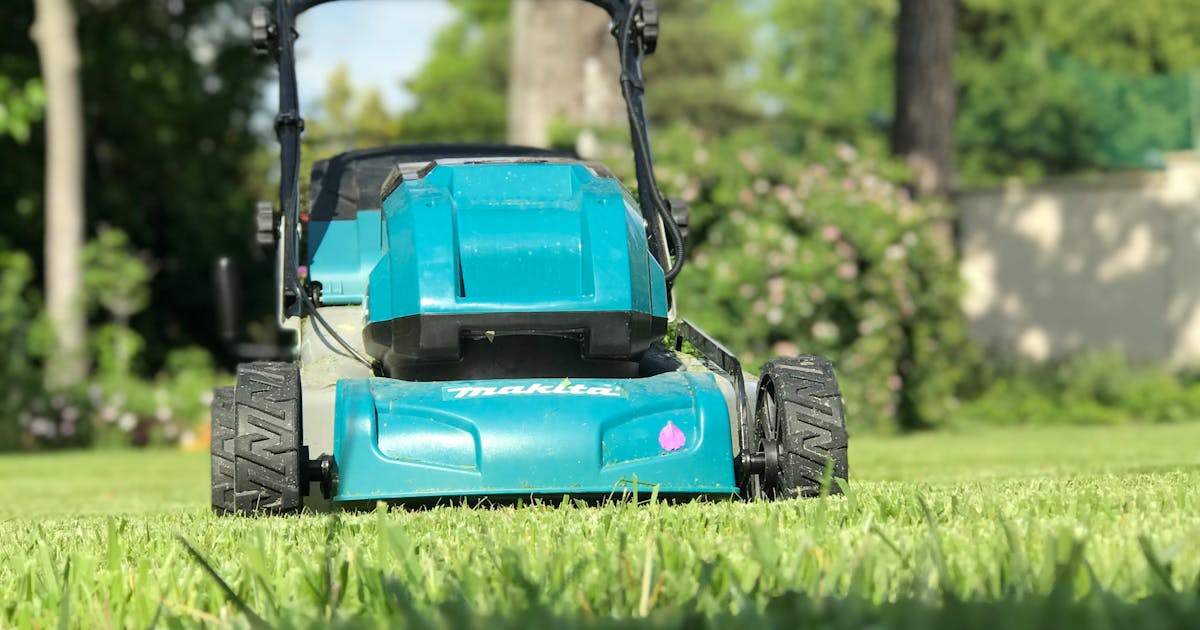
Five years ago, telling someone to buy a battery lawn mower got you laughed at. The runtime was bad, the power was worse, and you'd spend more time charging than mowing. That's not where we are anymore. EGO's 56V platform has genuinely crossed the line from "good for a battery mower" to just plain good.
But EGO now has about a dozen different mower models, and their naming convention reads like a serial number. LM2135SP? LM2244SP-2? LM3004SP-2? Let's sort through the actual differences and figure out which one fits your yard.
How the EGO Battery System Works (And Why It Matters)
Before we talk mowers, you need to understand EGO's battery platform because it's honestly the biggest selling point. Every EGO tool — mower, trimmer, blower, chainsaw, all of it — runs on the same 56V ARC Lithium batteries. Buy a battery for your mower, and it works in everything else.
Battery sizes range from 2.5Ah (small, for handheld tools) to 10.0Ah (big, for mowers). The bigger the Ah number, the longer it runs. For mowing, you want at minimum a 5.0Ah battery. The 7.5Ah is the sweet spot — it gives you enough runtime to mow up to half an acre on a single charge with room to spare.
The honest runtime numbers: EGO says "up to 60 minutes." That's on flat ground, dry grass, mulch mode, at medium height. Real-world mowing — with turns, thicker spots, some hills — you're looking at 40-50 minutes on a 5.0Ah battery and 60-75 minutes on a 7.5Ah. That's still genuinely good, but don't plan your mow around the marketing numbers.
The Walk-Behind Lineup
21" Self-Propelled with Select Cut — LM2135SP ($599–$650)
This is the one most people should buy. A 21-inch deck, self-propelled with EGO's Touch Drive system (squeeze the handle harder, it goes faster), and the Select Cut multi-blade system. It comes with a 7.5Ah battery and charger — everything you need to start mowing.
The cut quality is excellent. The steel deck is durable, the height adjustment is easy, and the self-propelled drive takes the effort out of hills and thick grass. For yards under 3/4 acre, one battery gets the job done. For up to an acre, grab a second battery and swap mid-mow — takes 30 seconds.
At $600, it's more than a budget Ryobi, but the motor power, build quality, and battery ecosystem make up the difference over time. This mower will last you 5+ years with essentially zero maintenance.
What Is Select Cut? (And Do You Need It?)
Select Cut is EGO's interchangeable blade system. The mower comes with a fixed upper blade and three swappable lower blades:
- Mulching blade: Finely shreds clippings. Best for weekly mowing when you want clippings to disappear into the lawn.
- High-lift bagging blade: Extra suction for collecting clippings. Use this when bagging or when grass is long.
- Extended runtime blade: Balanced performance that uses less motor effort, stretching your battery life further.
Is it a game-changer? For most people, you'll put in the mulching blade and never swap it. But if you bag your clippings or if you sometimes go two weeks between mows, having the high-lift option is genuinely useful. It's a nice feature, not a must-have. Don't pay extra specifically for it — get it because the LM2135SP is the right mower anyway.
22" Self-Propelled — LM2206SP / LM2236SP ($700–$1,200)
The 22-inch models add an inch of deck width, which doesn't sound like much but means fewer passes on a larger yard. The higher-end versions (LM2236SP, LM2244SP-2) come with Super Composite decks that carry a 10-year warranty and won't rust or dent.
These are the right choice if your yard is 3/4 to 1.5 acres and you want the best walk-behind experience without going to a riding mower. The larger deck and typically bigger included battery (10.0Ah on some models) mean you cover more ground per charge.
The price jump to $800-$1,200 is significant though. Unless your yard genuinely demands the bigger deck, the 21" LM2135SP at $600 is better value.
30" Flagship — LM3004SP-2 ($2,299)
EGO's widest walk-behind. Dual motors, 30-inch deck, runs on two 6.0Ah batteries simultaneously. This is for people with an acre-plus who don't want a riding mower but are tired of making 15 passes across the yard with a 21-inch deck.
At $2,299, it's a serious investment. But if you're comparing it to a gas riding mower at $2,000-$3,000 plus annual maintenance costs (oil, spark plugs, blade sharpening, fuel), the math starts working in the EGO's favor by year two or three. The 30" cuts your mowing time nearly in half compared to a 21" and you're still walking, which is exercise your riding-mower-owning neighbor isn't getting.
The Z6 Zero-Turn: When Your Yard Gets Big
The Z6 is where EGO stops being a "battery alternative" and starts competing directly with gas riding mowers. The 42-inch deck version (ZT4204L / ZT4205S) runs about $4,800-$5,600 with a full battery set. The 52-inch model is $5,500+.
With six 12.0Ah batteries, the 42" Z6 covers about 2.5 acres per charge. The newer models include e-STEER — a steering wheel instead of lap bars — which makes it way more intuitive if you've never driven a zero-turn before. It's fast (up to 8 MPH), the cut quality is excellent, and the zero-turn radius means cleaner edges and less scalping on turns.
The honest trade-off: It's expensive upfront. A comparable gas zero-turn from Toro or John Deere runs $3,500-$5,000. But the EGO has no engine maintenance, no fuel costs, way less noise, and no emissions. Over 5-7 years of ownership, the total cost is competitive — and you never have to winterize it or deal with a carburetor that won't start in spring.
The Comparison Table
| Model | Deck | Type | Battery Included | Price | Best For |
|---|---|---|---|---|---|
| LM2135SP | 21" | SP Walk | 7.5Ah | $599–$650 | Most yards under 1 acre |
| LM2206SP | 22" | SP Walk | 7.5–10.0Ah | $700–$900 | 3/4 to 1.5 acres |
| LM2244SP-2 | 22" | SP Walk | 10.0Ah | $1,000–$1,200 | Premium, composite deck |
| LM3004SP-2 | 30" | SP Walk | 2×6.0Ah | $2,299 | 1+ acres, skip the rider |
| Z6 42" | 42" | Zero-Turn | 4–6×12.0Ah | $4,800–$5,600 | 1.5–2.5 acres |
| Z6 52" | 52" | Zero-Turn | 6×12.0Ah | $5,500+ | 2.5+ acres |
Battery vs. Gas: The Real Math
People overthink this decision. Here's the actual breakdown:
Choose EGO battery if: Your yard is under 2 acres, you hate maintenance, you have neighbors close enough to hear you mow, or you already own EGO tools and have batteries. The zero-maintenance aspect is real — no oil changes, no spark plugs, no air filters, no fuel stabilizer, no winterizing. You charge the battery and mow. That's it.
Stick with gas if: Your yard is 3+ acres (battery runtime gets expensive fast at that scale), you mow commercially, or you already have a gas mower that works fine and you're not looking to spend $600+.
Cost of ownership over 5 years: A $600 EGO mower with one replacement battery ($200-$300 at the 3-year mark) runs you about $850 total. A $350 gas mower with annual oil, spark plugs, air filter, blade sharpening, and fuel runs $550-$700 over the same period. The EGO costs more upfront but the gap narrows fast, and you get your Saturday mornings back by not fighting a pull-start cord in April.
What Real Owners Say (The Good and the Bad)
What people love: Cut quality, instant start, quiet operation, zero maintenance, and the battery ecosystem that works across all EGO tools. Multiple owners report 3-5 years of trouble-free use.
What people complain about: Battery lifespan is the #1 concern. Some users report batteries losing significant capacity after 2-3 years of regular use. At $200-$300 per battery, that's a real ongoing cost. EGO's customer service also gets consistent criticism — long hold times, slow warranty claims, and limited authorized repair centers. If something breaks, expect a wait.
The fair take: The mowers themselves are excellent. The battery technology is very good but not perfect. Budget for a replacement battery every 3 years and you'll be happy. If you need same-week repair turnaround, keep a backup plan in mind.
EGO vs. Ryobi vs. Greenworks: Quick Comparison
Ryobi (40V): Cheapest option, available at Home Depot. Good enough for small flat yards. Less motor power than EGO — you'll notice the difference in thick or wet grass. Best if budget is your top priority.
Greenworks (40-80V): Mid-range pricing, good customer service, competitive performance. Their 80V models are solid. Best if you want a middle ground between Ryobi's budget and EGO's premium.
Milwaukee (60V): Premium pricing, newer to the mower game. Appeals to people who already have Milwaukee power tools. Not enough track record yet to recommend over EGO for lawn care specifically.
EGO (56V): Most powerful motor platform, best cut quality, widest product range, but highest price. Best if you want the best battery mowing experience and you're willing to pay for it.
Bottom Line: Which EGO Mower Should You Buy?
Best for most yards (under 1 acre): The LM2135SP at $599-$650. Comes with everything you need, cuts beautifully, and the 7.5Ah battery handles most yards in one charge. This is the no-brainer pick.
Bigger yard (1–1.5 acres): The 22" LM2206SP with a spare battery, or the 30" LM3004SP-2 if you want to cut your mowing time significantly.
Large property (1.5+ acres): The Z6 42" zero-turn. Expensive upfront, but competitive with gas over time and dramatically less maintenance hassle.
Tight budget: Look at the basic EGO push mowers (LM2100 series) at $300-$400, or consider Ryobi if you need to stay under $300. Don't go cordless cheap — a bad battery mower experience will send you back to gas for a decade.
EGO Buyer Decision Matrix
Every EGO mower review just lists specs. Here's what you actually need based on your yard:
| Your Yard | Buy This EGO | Skip This | Why |
|---|---|---|---|
| Under 1/4 acre, flat | LM2102SP (21" push) | LM2135SP | Self-propelled is wasted money on a small flat yard. Push version saves $100+. |
| 1/4 to 3/4 acre, some slope | LM2135SP (21" Select Cut) | LM2206SP | The 21" is the Goldilocks model. 7.5Ah battery handles this with room to spare. |
| 3/4 to 1 acre, hilly | LM2135SP + spare 5.0Ah battery | Single-battery setup | One battery won't finish a hilly acre. A spare 5Ah runs ~$200 but avoids mid-mow charging. |
| 1+ acre | LM2206SP (22" dual-port) | Any 21" walk-behind | Wider deck + dual battery slots = more coverage per charge. Or seriously consider a riding mower. |
| Already own EGO batteries from other tools | Bare tool version of any model | Kit with battery | Save $100-$200 by not buying batteries you already have. |
EGO Runtime By Yard Condition (Real Numbers)
EGO quotes "up to 60 minutes." Here's what happens in practice with the LM2135SP:
| Condition | 5.0Ah | 7.5Ah | 10.0Ah |
|---|---|---|---|
| Dry, weekly mow, flat | 40-48 min | 55-65 min | 70-80 min |
| Dry, weekly mow, hilly (self-propelled) | 32-40 min | 48-56 min | 60-70 min |
| Slightly overgrown (+10 days) | 28-36 min | 42-50 min | 55-65 min |
| Wet grass after rain | 25-32 min | 38-46 min | 50-60 min |
| Mulching mode (any condition) | -15% from above | -15% | -15% |
Mulching mode draws more power because the blade recirculates clippings through the cutting chamber. If you're tight on battery, switch to side-discharge for the last 20% of the yard — less power draw, longer runtime.
The EGO Ecosystem: What Your First Battery Unlocks
When you buy an EGO mower, you're not just buying a mower — you're buying into a battery platform. Every EGO 56V battery works in every EGO 56V tool. That means once you own 2-3 batteries from the mower, adding tools gets dramatically cheaper:
| Tool | With Battery Kit | Bare Tool (you own batteries) | Savings |
|---|---|---|---|
| String Trimmer (ST1521S) | $250 | $170 | $80 |
| Blower (LB6504) | $300 | $200 | $100 |
| Hedge Trimmer (HT2601) | $230 | $170 | $60 |
| Chainsaw (CS1613) | $350 | $230 | $120 |
| All 4 tools | $1,130 | $770 | $360 saved |
That $360 in battery savings makes the upfront premium on the mower kit look a lot more reasonable. You're not overpaying for a mower — you're making a platform investment.
Still debating electric vs gas? Read our battery vs gas mower breakdown — it covers runtime, cost, and maintenance over 5 years. And whichever you pick, keep the blade sharp — it makes a bigger difference than the mower itself.