Best Husqvarna Chainsaws for Homeowners: Which Model Actually Fits Your Needs
The chainsaw that'll actually stay in your shed and get used
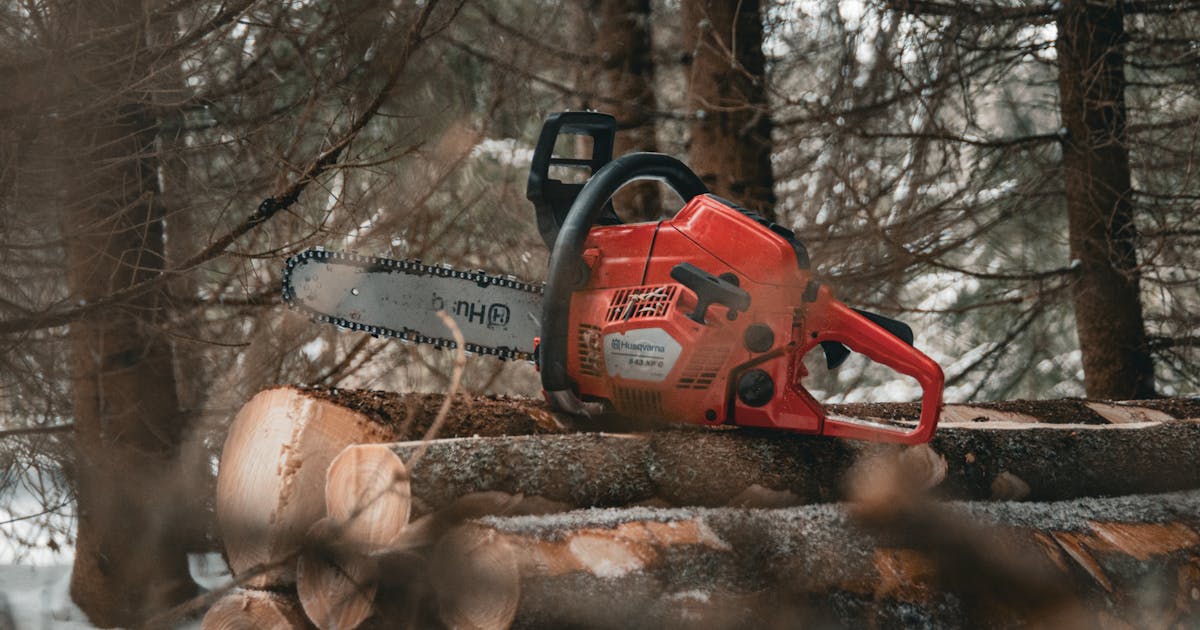
Husqvarna and Stihl are the Coke and Pepsi of chainsaws. Both make excellent saws, and arguing about which is "better" is a great way to start a fight at any rural hardware store. Here's what actually matters: Husqvarna makes some of the best homeowner chainsaws on the market, and unlike Stihl (which is dealer-only), Husqvarna is available at Lowe's, Amazon, and authorized dealers — which means easier access and often better pricing.
The Husqvarna Homeowner Lineup
120 Mark II — The Light-Duty Starter (38.2cc | 10.1 lbs | $200–$250)
Husqvarna's entry-level saw. At 38.2cc, it sits above where Stihl's MS 170 lives and handles light-to-moderate work — pruning, small firewood, yard cleanup. The X-Torq engine is fuel-efficient and lower-emission. The 16" bar is adequate for everything a light-duty saw should handle.
The 120 Mark II starts easily, vibrates less than competitors in this price range, and weighs just over 10 pounds. It's an honest saw for people who use a chainsaw a few times a year for small jobs. If you're cutting serious firewood or dealing with large trees, you'll outgrow it — but for light yard work, it's a solid entry point at a fair price.
440 — The Mid-Range All-Rounder (40.9cc | 9.7 lbs | $300–$380)
The 440 splits the difference between the entry 120 and the popular 450 Rancher. At 40.9cc with a remarkably light 9.7-pound powerhead, it's one of the lightest saws in its power class. Good for homeowners who want more capability than the 120 without the weight of the 450.
This is an underrated saw. It handles firewood, fallen branches, and moderate felling work while being easy enough on your arms for extended sessions. If light weight matters more to you than maximum power, the 440 deserves serious consideration.
450 Rancher — The One Most People Should Buy (50.2cc | 11.2 lbs | $400–$500)
This is Husqvarna's bread and butter for homeowners, and it earns the spot. The 50.2cc X-Torq engine delivers consistent power through hardwood, the anti-vibration system (LowVib) is genuinely effective, and the Smart Start system means you're cutting within 2-3 pulls even in cold weather.
The 450 Rancher runs 18" and 20" bars comfortably, which covers firewood processing, storm cleanup, small-to-medium felling, and general property maintenance. At around 11 pounds, it's manageable for all-day work without being exhausting.
This is the Husqvarna equivalent of Stihl's MS 271 Farm Boss — the saw that handles 80% of what homeowners need without being overpowered or overpriced. If you're buying one Husqvarna chainsaw and keeping it for a decade, this is the one.
455 Rancher — The Step-Up Firewood Saw (55.5cc | 12.8 lbs | $450–$600)
The 455 Rancher is for homeowners who cut more than casually. At 55.5cc, it handles 20" bars with ease, rips through hardwood faster than the 450, and has enough torque for larger-diameter logs (20"+ oak, ash, maple) without bogging.
If you're processing 10+ cords of firewood per year, maintaining a heavily wooded property, or regularly dealing with large trees, the 455 earns its premium over the 450. The extra 5cc of displacement is noticeable in sustained cutting — the saw maintains RPM better under load, which means cleaner cuts and less fatigue because you're not fighting the machine.
545 Mark II and Above — Professional Territory ($600+)
The 545 Mark II (50.1cc, $700+) and everything above it are professional-grade saws designed for arborists and loggers. They're lighter for their power, have more refined engines, and carry professional price tags. If you're reading a blog to decide which chainsaw to buy, you don't need a pro saw. Save the money and put it toward a good helmet and chaps.
Husqvarna vs. Stihl: The Real Comparison
You're going to compare them. Everyone does. Here's the honest breakdown:
Quality: Essentially equal. Both make excellent saws at every price point. The differences between a Husqvarna 450 Rancher and a Stihl MS 271 are smaller than the differences between two individual saws off the same assembly line.
Availability: Husqvarna wins here. Available at Lowe's, Amazon, and dealers. Stihl is dealer-only (with limited Lowe's/Ace presence). If you want to buy online or at a big box store, Husqvarna is your option.
Price: Very similar at comparable models. Husqvarna tends to be slightly cheaper at the entry level; Stihl is sometimes better at mid-range. Shop deals, not brands.
Anti-vibration: Both are good. Husqvarna's LowVib system is slightly better in some direct comparisons, but the real-world difference is marginal.
Starting: Husqvarna's Smart Start is genuinely easy. Stihl's newer models are comparable. Neither brand has a significant starting advantage anymore.
Dealer service: Stihl dealers tend to offer more hands-on service (sharpening, tune-ups) because they're independent shops. Lowe's can sell you a Husqvarna but won't sharpen your chain. If dealer service matters to you, check what's local.
Key Features That Actually Matter
X-Torq Engine: Husqvarna's proprietary engine design that reduces fuel consumption by up to 20% and emissions by up to 75% compared to conventional two-stroke engines. In practical terms: you use less fuel, produce less exhaust, and the saw runs cleaner. It's not marketing fluff — it's genuine engineering.
LowVib Anti-Vibration: Rubber dampeners between the engine and handle reduce vibration transmission. The higher you go in the lineup, the better the LowVib system gets. The 450 Rancher and above have noticeably less vibration than entry-level saws.
Smart Start: Reduced compression and optimized ignition for easy pull-starting. The 450 Rancher starts in 2-3 pulls cold, which is genuinely impressive for a 50cc saw.
Air Injection: Centrifugal air cleaning that removes debris before it reaches the air filter. Translates to longer intervals between filter cleanings and more consistent performance. Another feature that sounds like marketing but actually works.
Maintenance Basics
Same rules as any chainsaw, with a few Husqvarna-specific notes:
Chain sharpening: Keep it sharp. A dull chain on a 50cc Husqvarna will cut slower than a sharp chain on a 35cc saw. File every 2-3 tanks of fuel, or whenever you notice sawdust instead of chips.
Fuel: 50:1 gas-to-oil ratio. Use fresh premium fuel (ethanol-free if available) and quality two-stroke oil. Husqvarna sells their own XP oil which is good, but any quality synthetic two-stroke oil works. Don't let gas sit in the saw for more than 30 days — drain it or add stabilizer.
Air filter: Check before every use. The Air Injection system helps, but the filter still needs periodic cleaning, especially in dusty conditions.
Bar and chain oil: Run it every time. No exceptions. A dry bar destroys your chain, your bar, and your saw.
The Comparison Table
| Model | CC | Weight | Bar Options | Price | Best For |
|---|---|---|---|---|---|
| 120 Mark II | 38.2 | 10.1 lbs | 14"–16" | $200–$250 | Light work, pruning |
| 440 | 40.9 | 9.7 lbs | 14"–18" | $300–$380 | Light firewood, weight matters |
| 450 Rancher | 50.2 | 11.2 lbs | 16"–20" | $400–$500 | Most homeowners (top pick) |
| 455 Rancher | 55.5 | 12.8 lbs | 18"–20" | $450–$600 | Heavy firewood, 10+ cords/yr |
| 545 Mark II | 50.1 | 11.0 lbs | 16"–20" | $700+ | Professional use |
Bottom Line
For most homeowners: The Husqvarna 450 Rancher with an 18" bar. It handles everything from cleanup to firewood with room to spare. This is the saw you'll keep for 15+ years.
Light use only: The 120 Mark II with a 16" bar. Good for pruning, small branches, and occasional light firewood. Don't ask it to do more.
Serious firewood: The 455 Rancher with a 20" bar. More power for sustained hardwood cutting without crossing into professional pricing.
Stihl vs. Husqvarna: If you have a great Stihl dealer nearby, buy Stihl. If Husqvarna is easier to get (Lowe's, Amazon) and the price is right, buy Husqvarna. Both make excellent saws. The chain sharpening matters more than the badge on the saw.
Husqvarna Buyer Decision Matrix
Match your work to the right model — not the other way around:
| Your Situation | Buy This | Don't Buy This | Why |
|---|---|---|---|
| Occasional pruning, 2-3x/year | 120 Mark II or T540i XP (battery) | 450 Rancher | You'll carry and maintain more saw than you need. Light duty = light saw. |
| Firewood, 2-8 cords/year | 450 Rancher (50.2cc, 18" or 20" bar) | 120 Mark II, 135 Mark II | The 450 handles sustained hardwood cutting. Smaller saws overheat and bog. |
| Large property, regular tree work | 455 Rancher (55.5cc, 20" bar) | 450 Rancher | The extra 5cc matters when you're cutting 8+ hours across a weekend. |
| Budget under $250 | 120 Mark II (new) or used 440/445 | New 450 Rancher | The 120 is a capable small saw. A used 440 is more saw for the same money. |
| Already own Husqvarna batteries | T540i XP or 540i XP (bare tool) | Any gas model you won't use enough to justify | Battery saws are shockingly capable for homeowner work. Zero fuss. |
X-Torq Engines: What They Actually Mean for You
Husqvarna markets X-Torq on all their current chainsaws. Here's what it actually is: an engine design that runs leaner at lower RPM (reducing fuel consumption by ~20%) and richer at high RPM (maintaining power). The practical benefits for homeowners are real but modest:
Less fuel used: About 20% better fuel economy than non-X-Torq engines. On a homeowner saw burning 2-3 tanks per session, that saves maybe $2 in fuel. Not life-changing, but it adds up over years.
Lower emissions: 60-75% fewer harmful exhaust emissions. Meaningful if you're cutting in enclosed spaces (cleaning up a downed tree near the house) or if you're sensitive to exhaust fumes.
More low-end torque: The engine pulls harder at lower RPM, which helps in thick wood where the chain slows down. This is where you actually feel the difference — the saw recovers faster when it bogs instead of stalling.
Is X-Torq a reason to choose Husqvarna over Stihl? Honestly, no. Stihl's 2-MIX engine achieves similar efficiency. It's a nice feature, not a deciding factor.
5-Year Cost of Ownership
| Expense | 120 Mark II | 450 Rancher | 455 Rancher |
|---|---|---|---|
| Purchase price | $220 | $450 | $550 |
| Chains (Oregon, 3-5 over 5 yrs) | $36-$60 | $48-$80 | $60-$100 |
| Bar replacement (1x) | $20 | $30 | $35 |
| Fuel + 2-cycle oil | $25-$40 | $50-$90 | $70-$120 |
| Air filter, spark plug, misc | $15-$25 | $20-$35 | $25-$40 |
| 5-Year Total | $316-$365 | $598-$735 | $740-$945 |
The 450 Rancher hits the value sweet spot — same cost-efficiency pattern as the Stihl MS 271. And Husqvarna's advantage with Oregon aftermarket chains saves $5-$10 per chain over Stihl's proprietary chains. Over 5 years, that's $20-$50.
Torn between Husqvarna and Stihl? We wrote a full Stihl vs Husqvarna comparison. And whatever you buy, grab proper safety gear and learn how to sharpen your chain — two things that matter more than brand.