Best Milwaukee Chainsaws for Homeowners: M18 FUEL Deep Dive
Battery chainsaw technology that actually works (and when gas still matters).
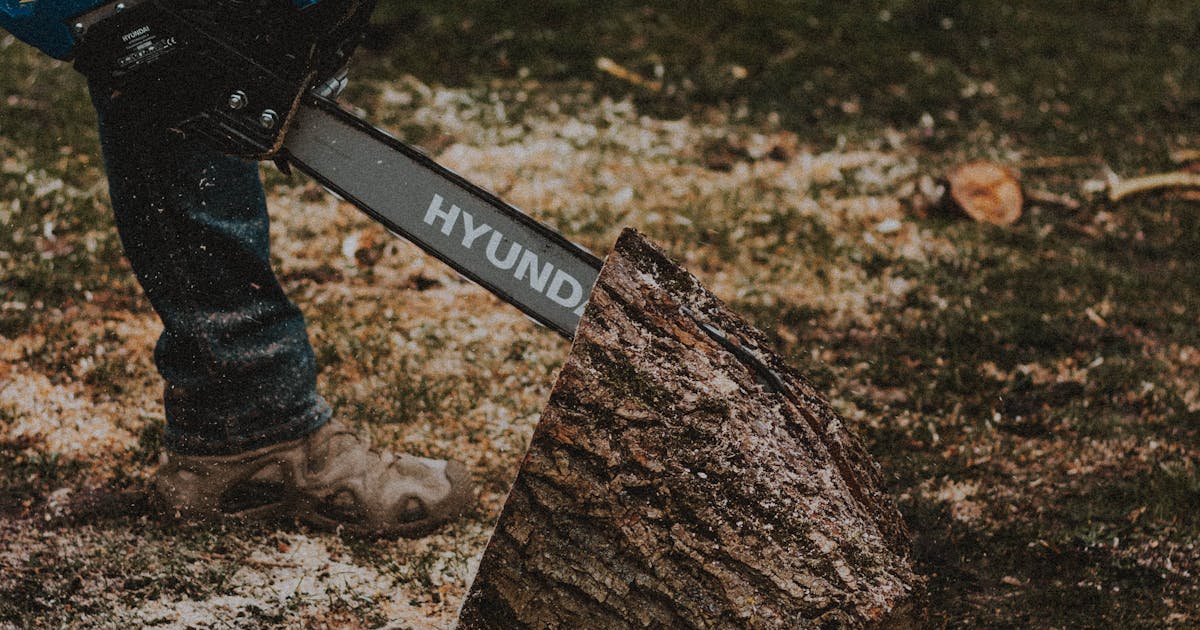
Why This Matters Now (And Why I Used To Dismiss Battery)
Five years ago, I would've laughed at the idea of a battery chainsaw for real work. They were toys—wimpy 8-amp units that died in 10 minutes. I'm not laughing anymore.
I bought a Milwaukee M18 FUEL 16" last year because my neighbor has the whole M18 system and kept saying it was worth trying. First day, I limbed six oak trees, cleared branches from last year's ice storm, and cut maybe two cords of fireplace wood. The battery lasted through all of it with juice left over.
It's not magic—there are still jobs where gas wins—but for homeowner chainsaws, battery is no longer a compromise. It's an option that actually works.
The M18 FUEL Platform: Why It Matters
Milwaukee's M18 isn't just a chainsaw platform—it's a whole ecosystem. The 5.0 amp-hour batteries run drill drivers, impact drivers, hedge trimmers, blowers, everything. If you already own M18 tools, the math changes completely.
The "FUEL" designation means brushless motor and higher voltage delivery. It matters because it means longer runtime and consistent power under load. The chainsaw doesn't bog down when you lean into cutting—it holds rpm steady.
That's different from cheap battery saws that slow to a crawl mid-cut. This thing sounds like it's working, which means it actually is.
16" vs 14" Bar: Which Do You Actually Need?
This is straightforward: bar length determines what size wood you can cut cleanly. A 14" bar can cut a 28" diameter log (chain wraps around), but you're working the saw hard. A 16" bar gives you 32" of capacity, which is more comfortable and faster for real trees.
14" bar is for: Limbing small branches, limbs up to 4" thick, tight spaces in trees, occasional homeowner use. You're not cutting big wood regularly.
16" bar is for: Everything homeowners do plus small tree removal, bigger firewood, storm cleanup, occasional land clearing. If you own land, 16" is the real answer.
Here's the thing: once you go 16", you rarely wish you had 14". Go the other way and you're frustrated constantly. Buy up if you're not sure.
Battery Chainsaws vs Gas: The Real Breakdown
| Factor | Battery (M18 FUEL) | Gas (Stihl, Echo) | Winner |
|---|---|---|---|
| Cold start | One button, immediate | Pull cord, flooded engines, tuning | Battery, no contest |
| Maintenance | Keep battery charged, chain sharp, done | Oil changes, spark plugs, carb cleaning, winter fuel stabilizer | Battery |
| Noise | 75 dB—quieter, neighbors won't hate you | 95+ dB—you're the morning guy everyone resents | Battery |
| Cost (no existing batteries) | $300 saw + $100 battery + $60 charger = $460+ | Stihl MS170 around $350–400 | Gas by cost |
| Cost (existing M18 batteries) | $300 saw only | $350–400 saw + maintenance costs | Battery by value |
| Runtime | One M18 5.0 Ah battery: 30–40 min cutting time | 3–4 hour tank, but continuous | Gas for long sessions |
| Power consistency | Holds rpm steady, cuts smooth | Power drops as tank empties, manual mixing | Battery |
| Handling | Lighter, less vibration, easier on shoulders | More weight, more vibration, older designs | Battery |
What Jobs Does M18 FUEL Actually Handle?
I want to be honest here because marketing lies about battery tools all the time.
Yes, it handles:
- Limbing 3–6 inch branches from trees (the most common homeowner job)
- Cutting up fallen branches and small logs under 6" diameter
- Clearing storm debris
- Cutting firewood for a fireplace (maybe 2–3 cords per season)
- Light pruning and landscape maintenance
- Small tree removal (4–6" diameter)
It struggles with:
- Heavy firewood cutting (5+ cords regularly—you'll want gas for endurance)
- Large tree removal (12"+ diameter)
- Professional arborist work (that's not homeowner territory anyway)
- All-day cutting jobs without swapping batteries
For the average homeowner doing seasonal yard work? The M18 FUEL 16" checks all the boxes and outperforms a gas equivalent in convenience.
Real Runtime Math
Milwaukee quotes 30–40 minutes of run time per 5.0 amp-hour battery in moderate cutting. That's accurate if you're limbing and light work. Heavy cutting into solid wood gets less time—maybe 20 minutes of continuous aggressive work.
Most homeowners don't cut for 40 minutes straight anyway. You cut, then trim, then move branches, then cut again. Runtime isn't as limiting as it sounds.
If you already own two or three M18 batteries, you have effectively unlimited runtime for a weekend project. Swap batteries while one charges. Gas saws can't do that.
How Battery Chainsaws Actually Compare to Gas
The motor physics are different, so comparison is weird. A gas saw with a "50cc" engine doesn't directly compare to an M18 FUEL "18v" battery saw. The electric motor delivers torque differently.
What matters: Can it cut wood efficiently? Yes. Does it keep rpm steady under load? Yes. Does it feel like less work? Absolutely.
Gas saws are louder, need maintenance, and have more weight and vibration to your hands and shoulders. After 30 minutes of work, your arms are more tired. With the M18 FUEL? You could keep going.
That matters more than rpm specs to real humans cutting wood.
The Chain and Bar: What Matters
Milwaukee uses standard .325" pitch chain (same as most homeowner gas saws). That means chains are cheap and available everywhere. You can grab a spare at any hardware store.
Keep your chain sharp. A dull chain murders battery life and makes cutting harder work. Sharp chain is the number-one maintenance item, and it's way cheaper than anything else.
The 16" bar comes with a decent chain. Buy a spare chain and a cheap sharpening file. You're done with maintenance for years.
Noise Levels Matter More Than You Think
Gas chainsaws at 95+ decibels require hearing protection. Your neighbors hear you from two houses away. The M18 FUEL at ~75 dB is actually reasonable—you still want ear protection, but you're not that guy everyone hates.
If you're in a neighborhood with houses close together, this alone is worth the battery trade-off. You can cut on a Saturday morning without starting a neighborhood Cold War.
The Ecosystem Angle: Real Value
This is the hidden advantage. If you already own M18 batteries and chargers (a drill, impact driver, etc.), buying just the M18 FUEL chainsaw adds maybe $300 to your kit. You don't buy batteries and chargers again.
That math is way better than gas. A homeowner with one or two M18 tools already? The chainsaw becomes a no-brainer add.
If you don't own any Milwaukee tools, the cost jumps to $460+. At that point, gas is cheaper upfront, and the math is fuzzier. But you'll spend more on maintenance.
When Gas Still Wins
Let's be honest: if you're cutting firewood for heat, you need a gas saw. If you're cutting 5+ cords per year, the endurance and continuous fuel matter. Gas saws run all day on a tank.
If you're an arborist or own property with lots of large trees, gas is your tool. Battery is a homeowner toy at that scale.
If you don't want to own any rechargeable batteries or deal with charging infrastructure, gas is simpler—fill it and go.
Otherwise? Battery tech is real now, and the M18 FUEL is solid.
Bottom Line
Milwaukee M18 FUEL 16" is a legitimate, excellent chainsaw for homeowners. It's easier to start, quieter, requires almost no maintenance, and handles every job a homeowner throws at it short of professional arborist work.
If you already own Milwaukee batteries? It's almost an obvious buy. If you're starting from zero tools? The cost math is closer, and you need to think about what you're actually cutting.
The real shift is that battery chainsaws aren't compromises anymore. They're different tools for different scenarios. For most homes with seasonal yard work, they're actually the better choice.
Milwaukee chains need sharpening just like gas chains — learn how to sharpen a chainsaw chain properly and pick up the right safety gear before your first big cut.