Best Post Hole Diggers: Manual vs. Powered, One-Man vs. Two-Man Breakdown
The difference between a quick afternoon and a weekend of hell is the right tool
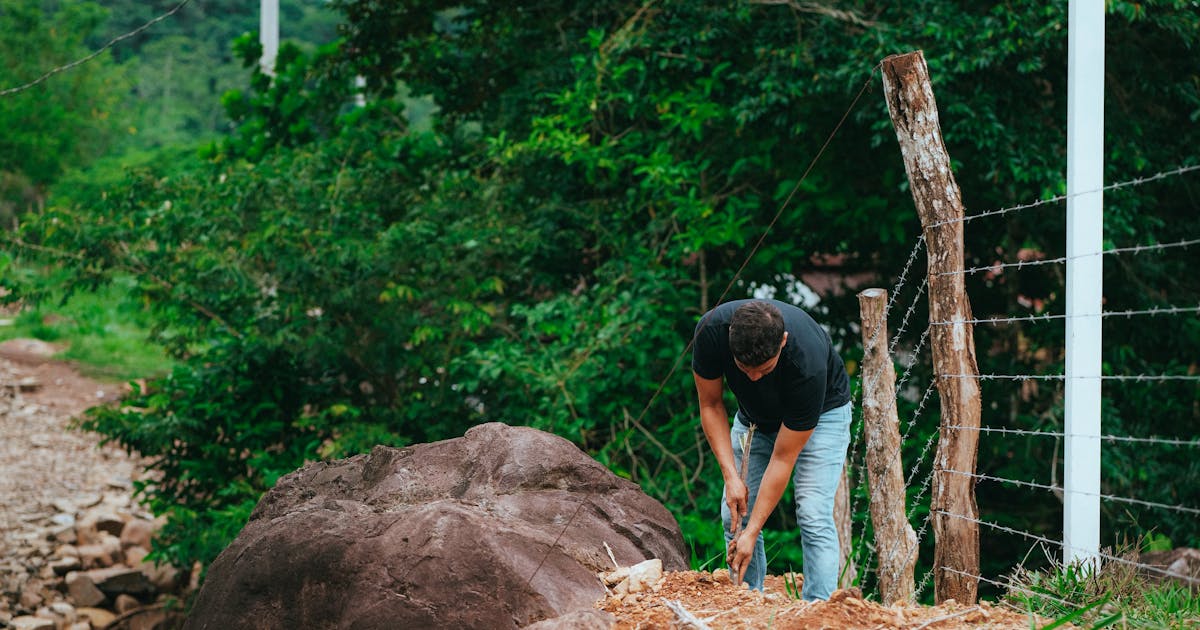
Post hole diggers exist because fences exist. You need holes — round, straight, 8-12 inches across, 24-36 inches deep, spaced every 6-8 feet. Whether you dig them by hand or with a machine depends on three things: how many holes, what kind of soil, and how much you value your lower back.
Manual Post Hole Diggers: Simple, Cheap, Brutal
Clamshell Diggers ($30–$50)
Two curved steel blades on long handles that you plunge into the ground, squeeze together, and lift out a plug of soil. The concept is dead simple. The execution is punishing.
A clamshell digger works genuinely well in soft, loamy soil free of rocks and roots. If you've got good soil and only need 5-10 holes, a $35 clamshell from the hardware store is the most cost-effective option. You'll dig each hole in 10-20 minutes and save yourself the cost and hassle of renting equipment.
In clay, rocky ground, or heavy soil? Forget it. You'll spend 45-60 minutes per hole, your blisters will have blisters, and by hole three you'll be googling "fence company near me." Know your soil before you commit to manual.
Best clamshell diggers: The Seymour Structron ($45-$60) and Razor-Back ($35-$50) are commercial-grade steel that'll last decades. Avoid the cheapest options — thin steel bends on the first rock.
Manual Augers ($30–$70)
A corkscrew design you twist into the ground by hand. They're easier on your back than clamshell diggers (twisting vs. plunging) but slower in hard soil and prone to binding in clay. For soft soil, they make clean, consistent holes. For anything else, they're frustrating.
Manual augers work best in previously tilled or sandy soil where the corkscrew can actually bite. In compacted ground, you'll be jumping on the handle trying to force it down. Not worth the effort when powered options exist.
Powered Post Hole Diggers: The Smart Move for Fences
One-Man Gas Augers ($75–$150/day rental | $250–$500 to buy)
A gas engine mounted on top of a large auger bit. You hold it upright, pull the trigger, and the bit corkscrews into the ground. "One-man" is optimistic marketing — in any soil with resistance, you'll want a second person to help stabilize. But in decent soil, one person can manage.
The typical homeowner model runs a 6-8" bit and drills 30-36" deep holes in 30 seconds to 2 minutes per hole. Compare that to 15-45 minutes per hole by hand. For a fence project with 20+ holes, a one-man auger is the difference between a Saturday project and a multi-weekend ordeal.
Top models: Earthquake E43 (43cc, $300-$400) and Powerhead by General Equipment are solid buy options. For rental, Home Depot and most rental yards stock one-man augers.
Two-Man Gas Augers ($100–$200/day rental)
Bigger engine, bigger bit (8-12"), handles harder soil. The "two-man" design has handles on both sides so two people share the torque. In rocky or clay soil, the machine can kick hard when the bit catches — having two people on it is a genuine safety consideration, not just convenience.
For heavy clay, rocky ground, or large-diameter holes (deck footings, sign posts), the two-man auger is the right tool. It'll power through conditions that stop a one-man auger cold. Rental is the way to go — you don't need to own a two-man auger unless you're a professional fence installer.
Hydraulic Augers (Skid Steer / Tractor Mounted)
For serious jobs — 50+ holes, extremely rocky ground, or commercial installations. These mount to a skid steer or tractor and can drill through almost anything. Available from equipment rental companies for $200-$500/day (plus the skid steer rental). Overkill for a residential fence, but the right tool for large agricultural fencing, deck footings in rock, or commercial post installation.
Battery-Powered Augers
Milwaukee, Ryobi, and EGO all make battery-powered augers. They're quieter than gas, start instantly, and produce zero emissions. The trade-off: less torque than gas, limited runtime (15-30 holes per charge), and they struggle in hard or rocky soil. For soft-to-moderate soil with under 30 holes, battery augers are a legitimate option — especially if you already own the battery platform.
Rent vs. Buy vs. Hire
| Holes Needed | Soil Type | Best Approach | Cost |
|---|---|---|---|
| 1-5 | Soft/loamy | Manual clamshell | $35-$50 (buy) |
| 1-5 | Clay/rocky | Rent one-man auger | $75-$150 (1 day) |
| 6-20 | Any | Rent one-man auger | $75-$150 (1 day) |
| 20-50 | Moderate | Rent one-man auger | $150-$300 (1-2 days) |
| 20-50 | Hard/rocky | Rent two-man auger | $200-$400 (1-2 days) |
| 50+ | Any | Hire pro or rent hydraulic | Varies |
The honest math on buying: A one-man gas auger costs $250-$500. If you're building a fence this year and know you'll need post holes again (deck, pergola, mailbox replacement, garden fence), buying makes sense. If this is a one-time project, rent for $75-$150 and don't store a gas engine in your garage for the next decade.
Before You Dig: The Checklist
Call 811. Same as every other digging project. Buried utility lines don't care if you're using a shovel or a gas auger. Call 3+ days before your project. Free. Non-negotiable.
Check your property lines. A fence on the wrong side of the property line is an expensive mistake. Get a survey if there's any doubt. Your neighbor's idea of where the line is doesn't count.
Check local codes. Many municipalities have setback requirements (fence must be X feet from property line), height restrictions, and permit requirements. A 5-minute call to your local building department saves you from tearing down a fence you just built.
Mark your hole locations. String a line between corner posts and mark each hole location with spray paint. Double-check spacing before you start digging. Moving a post hole after it's dug is a drag.
How to Dig a Good Post Hole
Diameter: Three times the post width is the standard rule. For a 4x4 post, that's a 12" hole. For a 6x6, an 18" hole. This gives you room for concrete and adjustment.
Depth: One-third of the total post length below ground is the structural standard. For a 6-foot fence with an 8-foot post, that's about 24-30 inches deep. Check your local code — some areas require specific depths, especially for wind load.
Shape: Straight sides, flat bottom. Don't taper the hole — it weakens the concrete's grip. A gas auger naturally creates a clean cylindrical hole. Manual digging takes more attention to keep the sides vertical.
Bell the bottom (optional but smart): Make the bottom of the hole slightly wider than the top. This creates a mechanical lock that prevents frost heaving from pushing the post up over time. Easy to do with a clamshell — just widen your stroke at the bottom.
Post Hole Tips from Experience
Wet the ground first. If your soil is dry and hard, soak each hole location with a hose for 30 minutes the night before. The water softens the top layer and makes the first few inches dramatically easier, whether you're going manual or powered.
Clear the spoils as you go. Don't let the pile of dirt build up around the hole rim — it falls back in and you're re-digging the same dirt. Shovel spoils 2-3 feet away from the hole.
Use a digging bar for rocks. When you hit a rock that the auger or clamshell can't dislodge, a steel digging bar (aka pry bar) is the tool that saves you. Pry the rock loose, lift it out, keep digging. A $30 digging bar is an essential companion tool for any hole-digging project.
Don't dig in the rain. Muddy holes collapse. Wet clay is nearly impossible to work with. Wait for dry conditions.
Bottom Line
Small project, soft soil: Manual clamshell digger ($35-$50). Cheap, effective, exercise.
Fence project (6+ holes): Rent a one-man gas auger ($75-$150/day). Game-changer for speed and effort.
Hard/rocky soil: Rent a two-man gas auger ($100-$200/day). Bring a friend.
Will dig holes again in the future: Buy an Earthquake E43 ($300-$400). It'll pay for itself over two fence projects.
Whatever you do: Call 811 first. Check your property lines. Check local codes. Dig the right depth. And buy a digging bar — you'll thank yourself when you hit the first rock.
Digging holes for a garden fence? You'll want to prep the surrounding soil too — our tiller guide and rototiller breakdown cover the tools that turn packed dirt into workable garden beds.