Best Stump Grinders for Homeowners (Why Renting Is Usually Smarter)
You probably don't need to own one. Here's how to know.
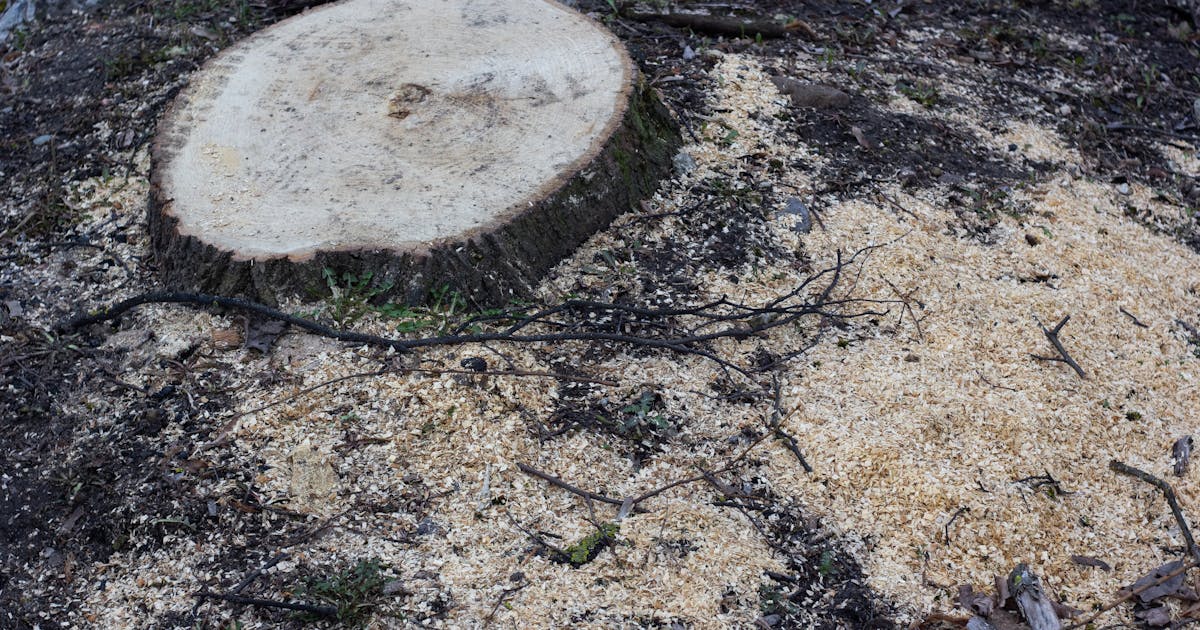
You've got a stump. Maybe two. Maybe your property looks like a graveyard of trees past. Whatever the situation, you're here because that stump is annoying you and you want it gone. The good news: stump grinding is straightforward. The bad news: the equipment is expensive, dangerous, and louder than your neighbor's Harley. Let's figure out the smartest way to deal with it.
Rent, Hire, or Buy: The Decision That Saves You Money
This is the most important decision, and most people get it wrong by defaulting to DIY when hiring would've been cheaper.
Hire a Professional ($120–$210 first stump, $40–$70 each additional)
For 1-3 stumps, hiring a pro is usually the smartest move. They show up with a machine that costs $30,000+, grind your stumps in 30-60 minutes each, haul away the debris (or leave it as mulch), and you never have to learn how to operate equipment that can throw a rock through your window.
The math works out: a single stump professionally removed costs $120-$210. Renting a grinder yourself costs $150-$300 for the day plus a trailer to haul it, plus your Saturday, plus the risk of hitting a water line. For one or two stumps, just hire someone.
Rent a Stump Grinder ($100–$300/day)
For 3-5 stumps, renting makes sense. Home Depot rents handlebar models starting around $85-$160/day. Local equipment rental yards typically stock better machines for $200-$300/day. You'll need a way to transport it — most rental places offer trailer rental for an additional $50-$60.
Plan for more time than you think. Your first stump will take twice as long as you expect while you learn the machine. Budget 30-60 minutes per stump for a small-to-medium stump (under 18 inches), and 1-3 hours for anything bigger. Hardwoods like oak and maple take longer than softwoods like pine.
Buy a Stump Grinder ($1,500–$10,000)
Buying only makes financial sense if you have a large wooded property that produces stumps regularly, you do land clearing as part of your work, or you're in a rural area where rental options are limited. For the average homeowner with a few stumps to remove, purchasing is throwing money away.
If you do buy, the DK2 OPG777 (14 HP gas, 12" cutting wheel, $1,500-$2,000) is the most popular homeowner-grade option. DR Power and Dosko make solid residential machines in the $2,000-$4,000 range. Anything above that is commercial equipment you don't need.
Types of Stump Grinders (And Which to Rent)
Handlebar Walk-Behind — Best for Homeowners
This is what you want if you're doing it yourself. It's a wheeled machine you push into position and control with handlebars, like a very aggressive lawn mower. The cutting wheel swings side to side, chewing into the stump with carbide-tipped teeth. Most homeowner-grade models are 125-400 pounds with 6-15 HP engines.
Handlebar grinders are the safest option for beginners because you're standing behind the machine with clear sight lines and direct control. They handle stumps up to about 14 inches above ground and grind 6-8 inches below grade.
Track Grinders — Better but Heavier
Track grinders run on tracks instead of wheels, which gives better stability on slopes and uneven ground. They're heavier (500+ pounds), more powerful, and faster. Some have remote controls so you can stand back from the cutting area. If you're renting for a big job with 5+ stumps, ask if the rental yard has a track model available — it's worth the upgrade.
Riding/Self-Propelled — Overkill for Homeowners
These are commercial machines that cost $10,000+ and grind stumps 3+ feet in diameter. Unless you're starting a tree service, you don't need one.
Safety: This Is Not Optional
Stump grinders throw rocks, wood chips, and debris at high velocity. The carbide cutting teeth spin fast enough to launch a pebble through a car window or into your shin with enough force to break bone. This is not a tool you can be casual about.
Call 811 before you grind anything. Utility lines (gas, electric, water, cable) are often buried shallower than you'd expect. Hitting a gas line with a stump grinder can cause an explosion. Hitting an electrical line can kill you. Call 811 at least 3 days before your planned work date — it's free, it's the law in most states, and it takes 5 minutes. There is no good reason to skip this step.
Required safety gear:
- Safety goggles or face shield (not sunglasses — actual impact-rated protection)
- Ear protection (stump grinders run 95-110 dB — that's hearing damage territory)
- Heavy work boots (steel toe preferred)
- Long pants and long sleeves
- Heavy work gloves
Keep people back 50-75 feet minimum. Kids, pets, bystanders — they all need to be well away from the work area. Flying debris doesn't care who it hits.
How to Actually Grind a Stump
The process is simpler than it looks, but it takes patience:
Step 1: Prep the area. Clear rocks, dirt, and debris from around the stump base. Rocks are the #1 thing that becomes a projectile. The cleaner the area, the safer and faster the job.
Step 2: Cut the stump low. If the stump is more than 6 inches above ground, use a chainsaw to cut it as close to ground level as possible first. Less stump = less grinding = less time.
Step 3: Position the grinder. Roll the machine up to the stump with the cutting wheel raised above the stump surface. Start the engine and let it reach full RPM before engaging the wheel.
Step 4: Grind in sweeps. Lower the cutting wheel into the stump about 2-3 inches at a time, sweeping side to side across the face. Don't try to plunge straight down — you'll stall the machine and stress the teeth. Work across the surface in layers.
Step 5: Go below grade. Once you're at ground level, keep grinding 4-8 inches below the surface. This ensures the stump doesn't sprout new growth and gives you enough depth to fill with soil and plant grass over it.
Step 6: Clean up. You'll have a pile of wood chips and grindings. Use them as mulch in garden beds (they're excellent mulch), compost them, or shovel them back into the hole and top with soil.
What to Do with the Grindings
A single stump produces a surprising amount of material — often 3-5 times the volume of the original stump because the grinding process breaks it into loose chips. You've got options:
Mulch: Stump grindings make excellent garden mulch. Spread them 2-3 inches deep around plants and trees. They'll decompose over 1-2 years, adding organic matter to your soil.
Fill the hole: Shovel the grindings back into the hole, pack them down, and top with 4-6 inches of topsoil. The grindings will settle as they decompose, so mound the fill slightly above grade.
Compost: Add them to your compost pile. They're high in carbon, so mix with nitrogen-rich materials (grass clippings, kitchen scraps) for balanced composting.
Haul away: If you don't want them, most municipal green waste programs accept stump grindings. Some tree services will take them off your hands for free.
Stump Grinder Rental: What to Know
| Rental Source | Daily Cost | Machine Type | Notes |
|---|---|---|---|
| Home Depot | $85–$160 | Handlebar, 13 HP | 1,200+ locations, easy access |
| Sunbelt Rentals | $150–$300 | Handlebar/Track | Better machines, less availability |
| Local Rental Yard | $150–$300 | Varies | Often best machines, support |
Before you rent, ask: What's the cutting depth? (Need at least 6" below grade.) Is a trailer included? Do I need a deposit? Is there a damage waiver? Can someone show me how to operate it?
Professional Stump Grinding: What It Costs
| Stump Size | Cost Range | Time Estimate |
|---|---|---|
| Small (under 12") | $120–$150 | 15–30 min |
| Medium (12"–24") | $150–$250 | 30–60 min |
| Large (24"–36") | $250–$400 | 1–2 hours |
| Extra large (36"+) | $400+ | 2–4 hours |
| Each additional stump | $40–$70 | +15–45 min |
Most pros charge by diameter (roughly $2-$5 per inch) with a minimum fee of $100-$150. If you've got multiple stumps, get them all done at once — the per-stump cost drops significantly after the first one because the setup and travel time is already covered.
Bottom Line
1-2 stumps: Hire a pro. It's faster, safer, and barely more expensive than renting when you factor in your time and the trailer.
3-5 stumps: Rent a handlebar grinder for a day. Budget a full Saturday, call 811, wear the safety gear, and take your time.
5+ stumps regularly: Consider buying a DK2 OPG777 ($1,500-$2,000) if you have ongoing stump removal needs. Otherwise, rental is still cheaper.
Whatever you do: Call 811 first. Wear eye and ear protection. Keep people away from the work area. A stump isn't worth a trip to the emergency room.
Planning to plant a replacement tree where the stump was? A post hole digger makes quick work of that.