Best Wood Chippers for Homeowners (Electric vs. Gas, Safety, and Real Talk)
These machines are dangerous and awesome. Here's which one fits your yard.
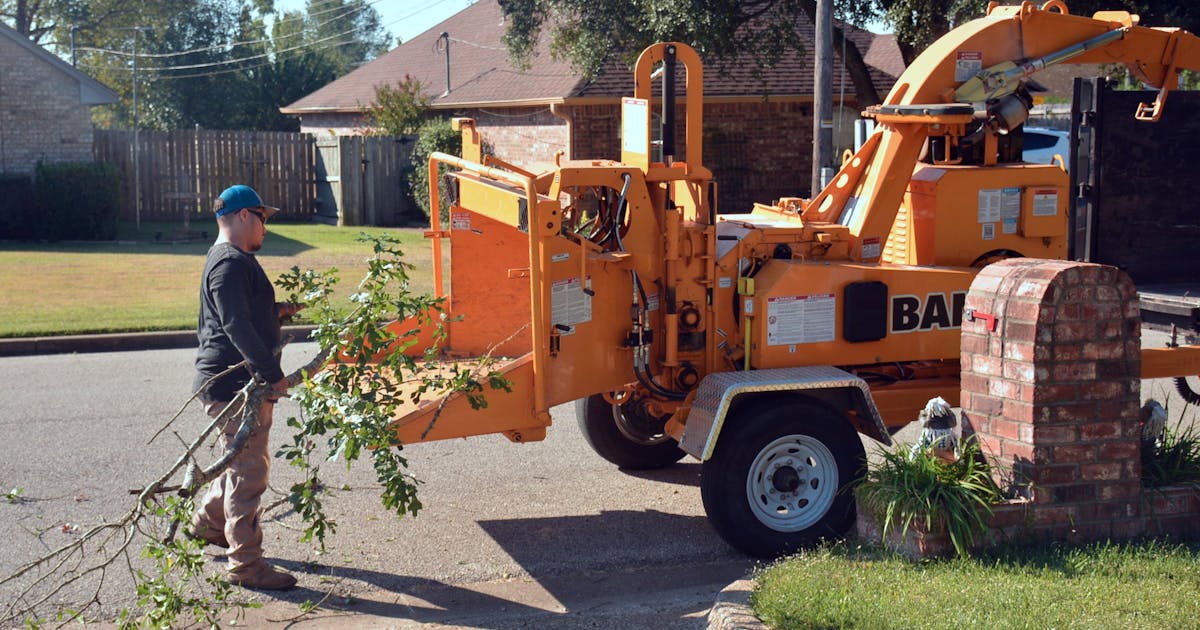
A wood chipper solves a specific problem: you've got branches piling up and no good way to deal with them. Burning is illegal in most suburbs, hauling to the dump costs money, and the pile in the corner of your yard is starting to look like modern art. A chipper turns all of it into useful mulch in an afternoon.
The catch: wood chippers range from a $150 electric that handles twigs to a $10,000 commercial beast that eats entire trees. Most homeowners need something in the middle, and the market makes it harder than it should be to find it.
Chipper vs. Shredder: Know What You're Buying
Chippers use sharp steel blades or knives to slice solid wood into coarse chips. They handle branches — the hard, woody stuff — and produce chunky chips suitable for garden paths, mulch, or composting.
Shredders use flails or hammers to beat and tear soft material — leaves, small stems, garden waste — into fine mulch. They handle volume but not diameter.
Chipper/shredder combos have two separate feed chutes: one for branches (chipper side) and one for leaves and soft material (shredder side). For most homeowners, the combo is the right call because you've got both types of yard waste.
Electric Chippers: Quiet, Simple, Limited
Sun Joe CJ603E — Best Budget Electric ($130–$180)
15-amp motor, handles branches up to 1.7 inches, 21:1 reduction ratio. It's genuinely good at what it does: small branches, pruning waste, and light cleanup. It's quiet enough that you won't annoy the neighbors, light enough to move around the yard, and requires zero seasonal maintenance. Plug it in, feed branches, collect chips.
The limitation is real though: 1.7 inches is a hard cap. Anything thicker and you're jamming the machine, burning the motor, and wishing you'd spent more. If your branches are consistently under 1.5 inches — think pruning waste, hedge trimmings, small deadwood — the Sun Joe is perfect. If you're cutting down trees and chipping limbs, it's not enough.
Patriot Products CSV-2515 — More Power, Still Electric (~$400)
14-amp motor, handles branches up to 2.5 inches. Noticeably more capable than the Sun Joe — it handles small limbs, not just twigs. Under 100 pounds, so still portable. At about $400, it's the upper end of what you'd want to spend on electric before gas makes more sense.
Good for: homeowners with moderate pruning waste who want the convenience of electric but need more capacity than a basic model.
Gas Chippers: Real Power, Real Noise
SuperHandy 7 HP Gas Chipper/Shredder — Best Value Gas ($400–$600)
This is the sweet spot for homeowners who actually deal with branches. The 7 HP 4-stroke engine handles branches up to 3 inches through the chipper chute, and the shredder side processes leaves and soft material into fine mulch. Dual hoppers give you versatility that single-chute machines don't.
At $400-$600, it's the most affordable gas chipper that genuinely works. Users consistently rate it highly for the price-to-performance ratio. It's not a commercial machine — don't feed it 4-inch hardwood all day — but for weekend property maintenance, it handles everything a typical homeowner generates.
Bigger Gas Models (3–4 inch capacity, $800–$2,500)
Brands like Earthquake, GreatCircleUSA, and Patriot make gas chippers in the 10-15 HP range that handle 3-4 inch branches. These make sense if you have multiple acres with significant tree cover, process large volumes of brush regularly, or want something that'll run all day without complaint.
Above $2,500, you're into semi-professional territory. Unless you're running a landscaping business or have 10+ acres of heavy brush, you don't need to spend that much.
Noise: The Elephant in the Room
This is where the electric vs. gas decision often gets made for you:
Electric chippers: Around 68 dB — about the level of a normal conversation. You can run one at 8am on a Saturday without anyone calling the HOA.
Gas chippers: 95-125 dB — motorcycle to rock concert territory. At 85 dB and above, you're causing hearing damage with extended exposure. If you have close neighbors, a gas chipper will make you the least popular person on the block. Ear protection isn't optional — it's mandatory.
If you live on a quarter-acre lot in a subdivision, electric is probably your only realistic option regardless of what branches you're dealing with. If you've got acreage and distance from neighbors, gas opens up.
Safety: Wood Chippers Are Not Forgiving
There's a reason the movie Fargo chose a wood chipper. These machines are designed to destroy wood. They will destroy anything else that goes in — including fingers, hands, and loose clothing — with zero hesitation and zero warning.
Never reach into the feed chute. If something jams, turn the machine off, wait for everything to stop moving completely, then clear the jam with a stick or tool. Never your hands. Modern chippers have auto-reverse features that help clear jams — use them.
Required safety gear:
- Safety glasses or face shield (chips fly back out of the chute)
- Ear protection (especially gas models)
- Work gloves (but remove loose-fitting gloves near the feed — tight leather only)
- No loose clothing, no dangling sleeves, no jewelry, tie back long hair
- Steel-toe boots
Feed branches butt-end first. The thick end goes in first, which lets the machine grab and pull the branch smoothly. Feeding tip-first creates a whipping hazard as the thin end flails around.
What Size Chipper Do You Actually Need?
| Property Size | Typical Waste | Chipper Size | Budget |
|---|---|---|---|
| Under 1 acre | Pruning, hedge trim | Electric, 1.5–2" | $130–$400 |
| 1–2 acres | Branches, light brush | Gas, 3" capacity | $400–$800 |
| 2–5 acres | Limbs, moderate brush | Gas, 3–4" | $800–$2,500 |
| 5+ acres | Heavy brush, small trees | Gas, 4–6"+ or rental | $2,500+ or rent |
The rental option: For big one-time jobs (clearing a lot, cleaning up after a major storm), renting a commercial chipper makes more sense than buying. Expect $200-$500/day for a machine that'll eat 6-8 inch branches all day. One weekend rental can clear what would take a homeowner chipper a month.
What to Do with the Chips
A chipper produces a lot of material — a full pickup truck bed of chips from a moderate afternoon of chipping. Put them to use:
Garden mulch: Spread 2-3 inches around plants, trees, and garden beds. Suppresses weeds, retains moisture, and looks clean. Fresh chips will temporarily pull nitrogen from the soil surface as they decompose, so keep them away from the base of new plantings.
Paths and walkways: Wood chips make excellent garden path material. Layer them 3-4 inches deep. They're comfortable to walk on, drain well, and look natural.
Compost: Mix chips with green material (grass clippings, kitchen scraps) for balanced composting. Chips alone decompose slowly — they need nitrogen to break down.
Sell or give away: Post on Facebook Marketplace or Nextdoor. Gardeners and landscapers will often pick up free wood chips. Your waste is someone else's mulch supply.
Bottom Line
Small yard, light pruning: Sun Joe CJ603E ($130-$180). Electric, quiet, handles the basics.
Medium yard, real branches: SuperHandy 7 HP gas ($400-$600). Best value for homeowners who actually deal with branches up to 3 inches.
Large property: Gas chipper in the 10-15 HP / 3-4" capacity range ($800-$2,500). Or rent a commercial machine for big jobs.
One-time big cleanup: Rent a commercial chipper ($200-$500/day). Don't buy a $2,000 machine for a problem you'll have once.
Whatever you buy: Feed butt-end first. Never reach into the chute. Wear eye and ear protection. And if your neighbors are close, go electric — they'll thank you.
Want the full deep dive on capacity, safety, and what engine size you actually need? Head to our wood chipper buying guide — it covers everything this overview touches on and then some.
Big branches need to be cut down to size before they'll fit the hopper. A good chainsaw makes that prep work fast — check our Stihl and Husqvarna guides if you need one.