Best Work Gloves for 2026: The Two-Glove System for Garage, Shop, and Lawn
Hands are the tool every other tool depends on, and protection stopped costing dexterity years ago
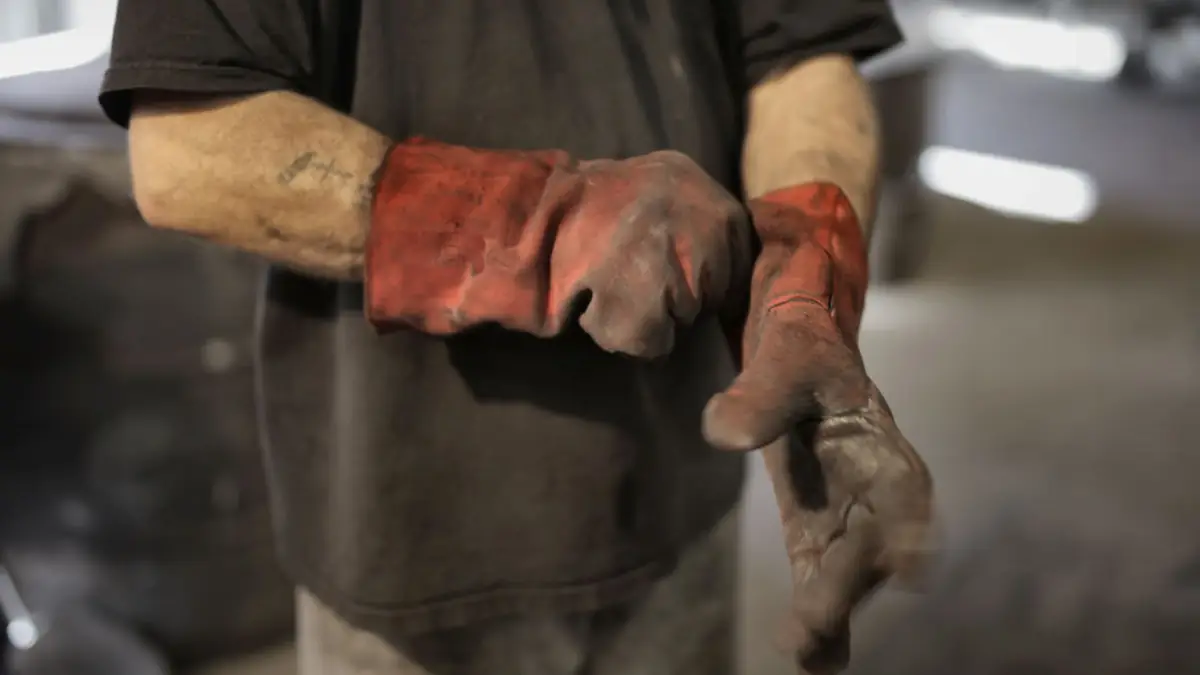
Hands are the tool every other tool depends on, and the jobs on this site are a catalog of ways to wreck them: post driving blisters, firewood splinters, wrenching skinned knuckles, cold that turns fingers wooden by November. The modern work glove solved the old dilemma. Protection used to cost dexterity; now the right pair gives both.
The Picks
Mechanix Original: The Default Hand

Top Pick
Mechanix Wear Original (Touchscreen)
The default hand: socket-picking dexterity, washable toughness, and touchscreen tips, cheap enough to stash pairs everywhere.
Check price on AmazonCheck the seller on Amazon
The glove that made gloves normal: a synthetic-leather palm thin enough to feel a 10mm socket, a breathable stretch back, a hook-and-loop cuff, and touchscreen fingertips so the phone doesn't force bare hands. It's machine washable, it lasts a hard season, and it costs little enough that one pair lives in the truck, one by the bench, one with the recovery gear. For 80% of garage-shop-lawn work, this is the answer.
Mechanix Durahide FastFit: The Leather Upgrade
Leather
Mechanix Durahide Leather FastFit
The rough-work half: real leather where fencing wire, firewood, and demolition bite, in the same easy-on fit.
Check price on AmazonCheck the seller on Amazon
Same fit philosophy, real Durahide leather where work bites: fencing wire, rough lumber, firewood by the cord, demolition day. Leather shrugs abrasion that shreds synthetics, the elastic FastFit cuff slips on and off for tasks that alternate gloved and bare, and it breaks in rather than wearing out. The rough-work half of the two-glove system.
The Specialty Shelf
Some jobs override the general answer. Chainsaw work wants cut-protective gloves alongside the chaps and helmet system: ordinary leather does nothing against a chain. Welding demands true welding gauntlets: heat-rated leather with cuffs, no substitutes. Winter outdoor work wants an insulated waterproof glove one size up (trapped air is the insulation); keep a dedicated pair with the fall cleanup gear. And chemical spraying per the label means nitrile-coated or rubber, not fabric.
The Picks at a Glance
| Glove | Material | Best For |
|---|---|---|
| Mechanix Original | Synthetic, touchscreen | Wrenching, general work: top pick |
| Mechanix Durahide FastFit | Leather palm | Fencing, firewood, rough work |
| Specialty (cut/weld/winter) | Per hazard | Matched to the job's danger |
One scope note: everything above is for three-season work. Once snow flies, unlined gloves soak through and turn cold fast. Our winter work gloves guide covers the insulated, waterproof class built for that.
Common Questions
How should a work glove fit?
Snug without strain: excess fingertip fabric is what machines grab and what fumbles fasteners. Between sizes, size down for mechanics' work, up for winter insulation.
When do gloves come OFF for safety?
Around rotating machinery (drill presses, lathes, bench grinders) where a caught glove pulls the hand in. Loose cuffs near spinning anything is the injury pattern; snug gloves for handling, bare or tight-fit hands at the spinning tool, always per the tool's manual.
Can I wash them?
Synthetics like the Original: machine wash, air dry, good as new. Leather: brush dry, occasional conditioner, never the dryer: heat cooks hide into cardboard.
Bottom Line
The Original for every day, the Durahide for the rough days, specialties for the dangerous ones, and spares stashed wherever work happens, because the best glove is the one within reach when the splinter isn't yet in your palm.
Ready to buy?
Browse current pricing, current models, and reader reviews on Amazon. Your clicks keep these guides free.
Shop Work Gloves on Amazon →