Lawn Mower Maintenance Schedule: The Checklist That Prevents Every Common Problem
The 30 minutes per season that keeps your mower running right for 10+ years
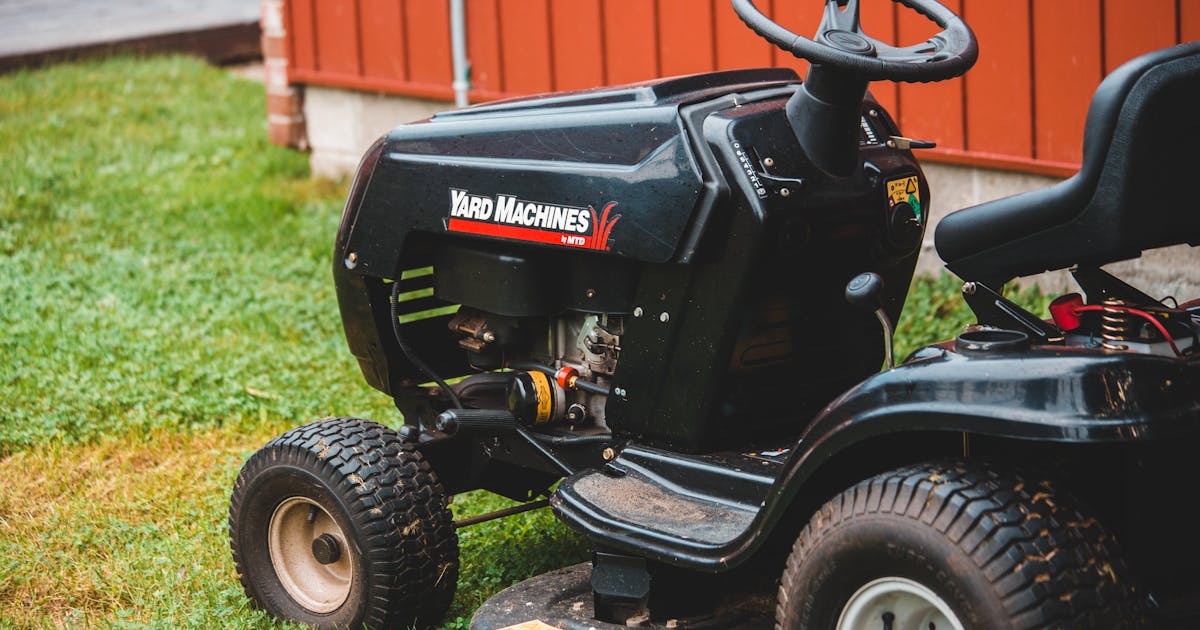
Gas Mower: Complete Maintenance Schedule
Every Mow (2 Minutes)
Check oil level: Pull the dipstick, wipe it, reinsert, and check. Oil should be between the marks. Running a mower with low oil is the fastest way to destroy an engine — the connecting rod bearings seize, and that's a new mower, not a repair.
Check for loose nuts and bolts: Vibration loosens things. Give the blade bolt, wheel bolts, and handle fasteners a quick visual. A detached blade inside a spinning deck is exactly as catastrophic as it sounds.
Clear the deck: Tip the mower (carburetor side up for gas!) and scrape grass buildup from the underside. Caked grass reduces airflow, which reduces cut quality and makes the engine work harder. A putty knife or dedicated deck scraper tool ($8) works in 60 seconds.
Monthly: Blade Sharpening
We have a full blade sharpening guide, but the key points: sharpen every 20-25 hours (about monthly), check balance after sharpening, and keep a spare blade so you can swap and sharpen later. A sharp blade is the single biggest factor in how your lawn looks — bigger than mower brand, bigger than mowing height, bigger than fertilizer.
Mid-Season: Air Filter
Paper filters: Tap to remove loose debris. Replace if dirty or discolored ($5-$10). Paper filters can't be washed — water destroys the fiber.
Foam filters: Wash in warm soapy water, squeeze dry, re-oil with a few drops of clean engine oil, and reinstall. Takes 5 minutes. Do this at least once mid-season.
A clogged air filter causes the engine to run rich (too much fuel, not enough air), which wastes gas, produces black smoke, fouls the spark plug, and reduces power. It's the most common cause of "my mower doesn't have the power it used to."
End of Season (Annual Service — 30 Minutes)
Change the oil. Run the mower for 5 minutes to warm the oil (warm oil drains completely). Tip the mower or use the drain plug to empty old oil into a pan. Refill with fresh SAE 30 or 10W-30 (check your manual). Dispose of old oil at any auto parts store — they take it free. Total cost: $5-$8 for oil.
Replace the spark plug. Even if it looks fine. Old spark plugs degrade gradually — weaker spark means harder starting and rough running. A new plug ($3-$5) ensures first-pull starts next spring. Gap it to spec (typically 0.030").
Replace the air filter. Start next season with a clean filter. $5-$10.
Stabilize the fuel or run the tank dry. Same logic as chainsaws: ethanol in pump gas absorbs moisture and corrodes the carburetor. Either add fuel stabilizer to a full tank and run it for 2 minutes to circulate, or run the mower until it stops. For small mower tanks, running dry is faster and more reliable.
Sharpen or replace the blade. If the blade is worn past the wear indicators, nicked beyond filing, or bent (even slightly), replace it ($15-$35). Otherwise, sharpen it so you're ready for spring.
Battery Mower: Maintenance Schedule
This is dramatically simpler. No oil, no spark plug, no air filter, no fuel system. Battery mowers like the EGO, Ryobi, and Craftsman need:
Every Mow
Clean the deck. Same as gas — grass buildup reduces cut quality. Battery mowers actually benefit more from a clean deck because the motor doesn't have the raw power to compensate for restricted airflow the way a gas engine can.
Monthly
Sharpen the blade. Identical process to gas mowers. Same guide applies. Remove the battery before servicing — non-negotiable safety step.
End of Season
Final blade sharpen. Store the blade sharp and ready for spring.
Clean the entire mower. Remove grass and debris from the deck, wheels, and motor ventilation slots. Sawdust and grass in the motor vents cause overheating.
Battery storage: This is the critical step. Charge the battery to 40-60% (not full, not empty). Store in a temperature-controlled space — ideally 50-70°F. Not a freezing garage, not a hot attic. Lithium batteries stored at extreme temperatures or at full/empty charge degrade significantly faster. A battery stored properly at 50% charge retains 90%+ capacity after a year. A battery left fully charged in a hot garage might lose 20-30% capacity.
When to Take It to a Shop vs. DIY
Most mower maintenance is DIY. But some problems need a professional:
DIY: Oil change, spark plug, air filter, blade sharpening/replacement, deck cleaning, fuel stabilization. All of this takes basic tools and 15-30 minutes.
Take to a shop: Carburetor cleaning/rebuild (requires disassembly and fuel system knowledge), bent crankshaft (you'll feel vibration even with a balanced blade), engine surging or hunting (likely a governor issue), and anything involving the hydrostatic transmission on self-propelled models. Shop rates run $50-$100/hour, so budget $75-$200 for repairs.
Replace instead of repair: If the repair estimate exceeds 50% of a new mower's cost, replace. A $150 repair on a $300 mower is borderline. A $200 repair on a $250 mower is a new mower.
Maintenance Cost: Gas vs. Battery (Annual)
| Item | Gas Mower | Battery Mower |
|---|---|---|
| Oil + filter | $5-$8 | $0 |
| Spark plug | $3-$5 | $0 |
| Air filter | $5-$10 | $0 |
| Blade sharpening/replacement | $0-$30 | $0-$30 |
| Fuel stabilizer | $4-$6 | $0 |
| Annual Total | $17-$59 | $0-$30 |
Battery mowers cost essentially nothing to maintain beyond blade care. This is one of the strongest arguments in the battery vs gas debate — the maintenance savings add up to $100-$200 over 5 years, narrowing the upfront price gap significantly.