Stihl vs Husqvarna Chainsaws: The Honest Comparison Nobody Wants to Make
Both are excellent — here's how to choose without starting a bar fight
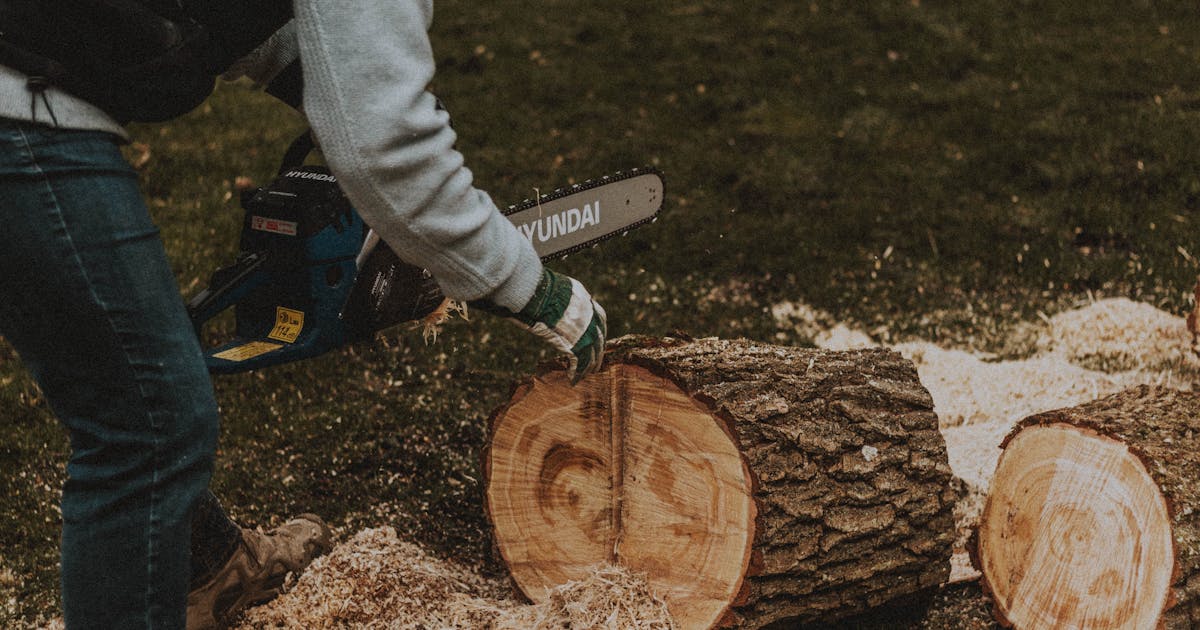
Walk into any hardware store, hunting camp, or rural coffee shop and say "Stihl or Husqvarna?" and you'll start a debate that lasts longer than the coffee. Both brands inspire loyalty that borders on religious. But if you strip away the brand passion and look at what actually matters for a homeowner buying a chainsaw, the picture gets a lot simpler.
The Head-to-Head Breakdown
Power and Performance
At comparable price points, Stihl and Husqvarna are nearly identical in cutting performance. The Stihl MS 271 Farm Boss (50.2cc) and the Husqvarna 450 Rancher (50.2cc) have literally the same displacement. In blind cutting tests, experienced users can barely tell them apart. The engines are different designs — Stihl uses their own engineering, Husqvarna uses X-Torq — but the real-world output is so close it's irrelevant for homeowner use.
Verdict: Dead tie. Don't let anyone tell you one brand "cuts better." At the same price point, they cut the same.
Anti-Vibration
Husqvarna's LowVib system is marginally better than Stihl's anti-vibration in some direct comparisons, particularly on the 450 Rancher vs. MS 271 matchup. In practice, the difference is small enough that most homeowners won't notice. Both brands are dramatically better than budget chainsaw brands on vibration.
Verdict: Slight edge to Husqvarna, but not enough to base your decision on.
Starting
Husqvarna's Smart Start and Stihl's ErgoStart both make cold-starting easier than older models. Both start reliably in 2-3 pulls when properly maintained. Neither brand has a meaningful advantage here anymore — they've both solved the hard-starting problem.
Verdict: Tie.
Price
At comparable models, pricing is similar. Husqvarna tends to be slightly cheaper at the entry level (the 120 Mark II undercuts the Stihl MS 170 at some retailers). At the mid-range (450 Rancher vs. MS 271), prices are within $20-$50 of each other depending on the dealer. Husqvarna's availability at Lowe's and Amazon means you can often find sales and deals more easily than Stihl's dealer-only model.
Verdict: Slight edge to Husqvarna on price accessibility. Stihl prices are more fixed because dealers control them.
Availability and Where to Buy
This is the biggest practical difference between the two brands:
Husqvarna: Available at Lowe's, Amazon, authorized dealers, and various online retailers. You can comparison shop, wait for sales, and buy from wherever is convenient.
Stihl: Primarily dealer-only. Limited selection at some Lowe's and Ace Hardware locations. You generally buy from an independent Stihl dealer. Prices are more consistent but you can't comparison shop as easily.
Verdict: Husqvarna wins on accessibility. Stihl wins on the dealer relationship (more on that below).
Dealer Service
This is where Stihl has a genuine edge. Independent Stihl dealers are typically small engine shops staffed by people who know chainsaws inside and out. They'll sharpen your chain, tune your carburetor, do warranty work on the spot, and give you advice that's actually useful. It's a personal service relationship.
Husqvarna at Lowe's means you're buying from a big box store. The person selling it to you probably can't service it. You'll need to find an authorized service center separately, which may or may not be convenient in your area.
Verdict: Stihl wins if you have a good dealer nearby. If you don't, this advantage disappears.
Chain and Bar Compatibility
Here's a practical difference nobody mentions in the Stihl vs. Husqvarna debate: chain and bar interchangeability. Stihl uses proprietary bar mounting and chain specifications on many models. You generally need to buy Stihl-branded bars and chains (or aftermarket specifically made for Stihl). Husqvarna uses more standardized mounting, and Oregon aftermarket chains and bars fit most Husqvarna models directly.
This matters because chains are a consumable. You'll go through 3-5 chains for every bar, and you'll replace the bar eventually too. Stihl chains typically cost $15-$25 retail. Oregon replacement chains for Husqvarna run $12-$18 on Amazon. Over 10 years of chainsaw ownership, the chain cost difference adds up to $50-$100 — not a dealbreaker, but worth knowing.
Verdict: Husqvarna has a slight advantage on aftermarket parts availability and pricing. Stihl's proprietary ecosystem keeps you buying from the dealer — which is good if you value the relationship, annoying if you want to comparison shop.
Warranty and Support
Both brands offer similar warranty terms for homeowner use: typically 2 years on the unit. Where they differ is the warranty experience.
Stihl warranty claims go through your dealer. Walk in, explain the problem, and they usually handle it on the spot or within a few days. The personal relationship means less paperwork and faster resolution. If your dealer knows you've been maintaining the saw properly, they'll often go to bat for you on borderline claims.
Husqvarna warranty claims through Lowe's follow the big-box process: bring it back to the store, they ship it out to an authorized service center, and you wait. Could be a week, could be three. Through an independent Husqvarna dealer it's faster, similar to the Stihl experience. The difference is whether you bought from a big box or a dealer.
Verdict: Stihl's dealer model wins again on service speed. If you buy Husqvarna, consider buying from an independent dealer rather than Lowe's — the warranty experience is dramatically better.
Battery Chainsaw Face-Off
Both brands now have battery chainsaws, and this is where the comparison gets interesting for homeowners who want cordless convenience:
Stihl MSA 220 (36V, ~$400 bare): Impressive cutting performance for a battery saw. Uses Stihl's AP battery system. Good for limbing and light bucking — won't replace a gas saw for heavy firewood but handles typical homeowner cutting. The catch: Stihl batteries are expensive ($150-$300 each) and only work in the Stihl ecosystem.
Husqvarna Power Axe 350i (40V, ~$450 bare): Competitive with the MSA 220 in performance. Uses Husqvarna's battery platform which is shared with their lawn mowers and trimmers. Similar cutting capacity.
Milwaukee M18 FUEL (18V, ~$300 bare): The dark horse. Uses the massive M18 battery ecosystem that millions of people already own from their drills and impact drivers. Not quite as powerful as the Stihl or Husqvarna battery saws, but if you own Milwaukee tools, the batteries you already have work in the chainsaw. That's a $150-$300 savings on day one.
Battery verdict: If you're starting from scratch, Stihl and Husqvarna battery saws perform about the same. If you already own Milwaukee M18 batteries, that's your answer — the platform savings are too big to ignore.
The Real-World Scenario Guide
Forget the specs for a minute. Here's which saw wins based on what you're actually doing:
"I need to drop a few trees on my property this year": Either brand, 50cc class (MS 271 or 450 Rancher). Whichever is easier to buy and service. The saws are functionally identical for this job.
"I process 3-5 cords of firewood per year": Stihl MS 271 Farm Boss if you have a dealer. The dealer relationship matters more when you're running the saw hard and need service. If no Stihl dealer is close, the Husqvarna 450 Rancher with Oregon chains keeps costs down.
"I do occasional storm cleanup and light pruning": Battery saw from whichever platform you already own batteries for. Or if you want gas, the cheapest option between Husqvarna 120 Mark II and Stihl MS 170. You won't use it enough for the brand difference to matter.
"I want one saw that does everything for the next 15 years": Stihl MS 271 or Husqvarna 450 Rancher. Both will last that long with basic care (chain sharpening, air filter cleaning, proper fuel). Buy from a dealer who will still be there in 15 years.
Model-by-Model Comparison
| Use Case | Stihl Pick | Husqvarna Pick | Notes |
|---|---|---|---|
| Light pruning | MS 170 (~$200) | 120 Mark II (~$220) | Both adequate, Husqvarna slightly more powerful |
| General homeowner | MS 271 (~$450) | 450 Rancher (~$450) | Nearly identical — buy what's available |
| Heavy firewood | MS 391 (~$600) | 455 Rancher (~$550) | Both excellent, Husqvarna slightly cheaper |
| Professional | MS 462 (~$1,000) | 572 XP (~$1,100) | Pro-level, beyond homeowner needs |
| Battery | MSA 220 (~$400) | Power Axe 350i (~$450) | Both decent, battery chainsaws still limited |
The Decision Framework
Buy Stihl if: You have a good independent Stihl dealer nearby, you value the personal service relationship, you like knowing your saw was assembled in Virginia Beach, VA, or your buddy has a Stihl and you want to share chains and bar oil advice.
Buy Husqvarna if: You want to buy online or at Lowe's, price flexibility matters, your local Stihl dealer is inconvenient or nonexistent, or you want access to the broader Husqvarna outdoor power ecosystem.
Either way: Learn to sharpen your chain, use proper bar oil, run fresh fuel with the right oil mix, and wear protective gear. Those things matter infinitely more than which badge is on the saw.
Bottom Line
The Stihl vs. Husqvarna debate is the outdoor power equivalent of Ford vs. Chevy. Both are excellent. Both will last 15+ years with basic care. Both will cut the same wood the same way. The real differentiator isn't the saw — it's maintenance, chain sharpness, and operator skill. Buy whichever is more convenient to purchase and service in your area, and spend the energy you saved on arguing about brands on actually maintaining your saw.
Want a third option? Milwaukee's M18 FUEL lineup is turning heads in the battery chainsaw space. Different use case, but worth a look if you're already in their battery ecosystem.