Wood Chipper Buying Guide: Electric vs Gas, Safety, and Real Branch Diameters
What marketing calls "max branch diameter" and what homeowners actually chip. Plus safety details they skip.
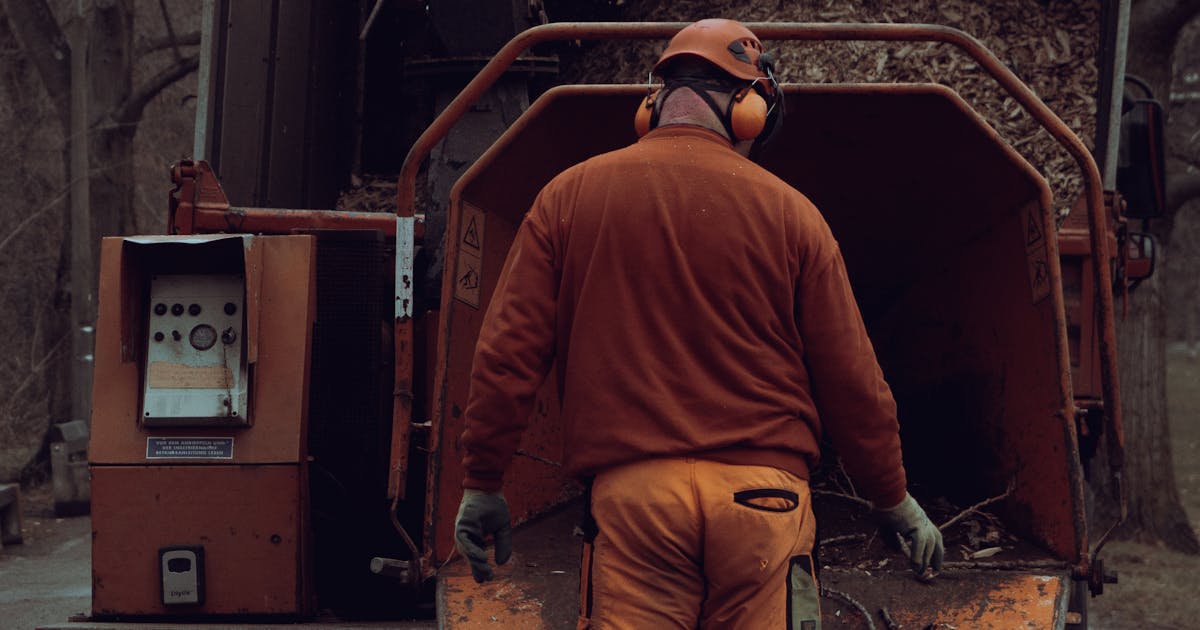
What's Actually In This Guide
Chipper buying advice online usually focuses on horsepower and price. Nobody talks about why your branches jam, what "max diameter" actually means, or how to not shred your hand feeding branches.
I spent a weekend helping a neighbor with two cords of storm-cleanup branches. He had a cheapo electric chipper that was great until branches started jamming. Then came the instinct to push them down the chute, and... that's how people lose hands.
This guide covers the real stuff: what machines actually handle, safety reality, and maintenance you need to know before you buy.
Electric vs Gas Chippers: The Tradeoff
| Factor | Electric Chipper | Gas Chipper | Winner |
|---|---|---|---|
| Cost | $200–400 | $400–1200+ | Electric |
| Max branch diameter | 1–2" comfortable, 2.5"+ struggles | 2–3" comfortable, 4"+ possible | Gas for big branches |
| Noise | ~80 dB, neighbors tolerate it | 95+ dB, afternoon job only | Electric |
| Maintenance | Sharpen blade yearly, keep cord clear | Oil changes, spark plugs, seasonal tune-up, storage | Electric |
| Runtime | Continuous (plug into outlet) | Continuous (fuel tank) | Tie, both all-day if you want |
| Volume per season | Perfect for 1–2 cords of branches | Better for 3+ cords or regular wood processing | Depends on your need |
| Jams when overloaded | Less power = more jamming with oversized branches | More power = fewer jams, but still possible | Gas handles bigger material |
For most homeowners, electric wins because you're processing maybe one or two cords of branches per year (storm cleanup, pruning season). Gas is for people with acreage who process wood regularly.
"Max Branch Diameter": What Marketing Lies About
Here's where it gets real. A chipper rated for "2 inch max diameter" can technically chip a 2" branch. But it's working hard, jamming half the time, and you're feeding it slow.
Real-world comfortable diameter is about 60% of what they advertise. A "2 inch chipper" happily handles 1.25" branches all day. The 2" branches? They work, but you feel it.
Translation guide:
- Advertised 1.5" = comfortable with 0.75–1"
- Advertised 2" = comfortable with 1–1.25"
- Advertised 2.5" = comfortable with 1.5–1.75"
- Advertised 3" = comfortable with 2–2.25"
This is why buying one size up from what you think you need matters. You get realistic, jam-free operation instead of constantly fighting the machine.
Most storm-cleanup branches from trees are under 1.5" thick. If your work is typical homeowner stuff (pruning, storm cleanup, clearing brush), comfortable diameter of 1–1.5" is fine. That means buying a "2 inch" electric chipper.
Chipper vs Chipper-Shredder: What's the Difference?
A chipper is optimized for branches—it has a chute where you feed wood lengthwise (branches go in, chips come out). Faster feed, less jamming, cleaner chips. These are branch processors.
A chipper-shredder is a hybrid. It has the chute for branches AND a hopper for leaves and softer material. You throw leaves in the hopper, they get shredded into mulch. Great if you process a lot of leaves, but chipping performance suffers because the mechanism is a compromise.
For branch chipping specifically, a pure chipper wins: dedicated design, faster, fewer jams.
If you want leaf shredding too, a chipper-shredder adds function. You'll chip branches slower and jam more often, but you get mulch-making ability. Trade-off is real.
For most homeowners? Pure chipper. Branch chipping is the real work. Leaf mulching is occasional bonus.
Feed Chute Design: Why It Matters for Safety
Chipper chutes come in different designs, and this is directly about keeping your hands safe.
Narrow vertical chute: Branches feed down a narrow opening (maybe 3" wide). You stand to the side, feed branches in, gravity helps them down. Your hands stay away from moving parts. Most electric chippers use this. Safest design.
Wide angled chute: Branches feed down a wider opening at an angle. You're leaning in more, instinct is to push harder, hands are closer to the intake. More dangerous.
Side-feed hopper: Leaves and softer material go in a hopper on top or side. Easy to feed, but limits branch size and jamming is more likely.
Narrow vertical chutes are safest because they force good technique. Your hands stay back, gravity does the work, no pushing instinct. Buy a machine with this design if you can.
Real Safety Section (Because It Matters)
Chippers are dangerous. They pull fingers in without hesitation and you can't stop them. Prevention is your only strategy.
Feeding technique:
- Feed branches branch-end-first, never sideway or at angles that encourage rotation
- Let gravity do the work—no pushing or forcing branches down the chute
- If a branch jams, STOP THE MACHINE before touching anything
- Use a stick to push branches down if you're worried (yes, really)
- Feed one branch at a time—no handfuls
That last one is key. I see people grabbing a handful of small branches and feeding them in. If one rotates wrong, suddenly your whole hand is in the chute. Feed one at a time, let it process, then feed the next.
PPE (Personal Protective Equipment):
- Safety glasses—chips can bounce backward
- Hearing protection—chippers are loud
- Work gloves—splinters are real, and they protect in glancing contact (though don't rely on this for safety)
- Long pants and closed-toe shoes—minor protection, but prevents scratches
The glasses are non-negotiable. Chips exit at speed and they hurt. Hearing protection means you're not damaging your ears on a Sunday afternoon.
Jam prevention:
- Don't feed oversized branches—stick to 60% of advertised diameter
- Feed one at a time
- Dry wood jams less than wet wood
- Never push—if it's not feeding, stop and size down
If a branch jams despite your care: turn the machine off, wait 30 seconds for the blade to stop, then carefully back the branch out. Don't stick anything else in there.
Chip Quality and Discharge
Chips come out in different sizes depending on the blade and feed rate. Faster feeding = bigger chips. Slower feeding = finer chips.
Discharge chute angle matters for where chips go. Most electric chippers have a discharge that points down or slightly forward. You set up a tarp to catch them.
Chip size is not critical for most homeowners—you're making mulch for paths or compost, both accept various sizes. Consistent chips (not a mix of fine dust and huge chunks) is the real goal, and that comes from consistent feeding.
Blade Sharpness: The Invisible Maintenance
Chipper blades dull over time. Dull blades cause jams, create dust instead of chips, and make the motor work harder. Sharpening costs $15–30 and takes an afternoon if you DIY, or $50–80 at a shop.
You notice when it's time: work starts to feel harder, chips are ragged instead of clean, and jamming increases. Every 5–10 cords of material (rough estimate) is sharpening time.
Some people DIY blade sharpening with a mill file. It's not hard if you're comfortable with tools. Others take it to a shop. Budget $30–50 per sharpening into your ownership cost.
Storage and Seasonal Maintenance
Electric chippers: Plug it away, drain any moisture from the chute, done. Super low maintenance. Yearly sharpening, that's it.
Gas chippers: Winterization is real—drain the tank or add fuel stabilizer, clean the air filter, check oil. In spring, you might need to tune it back up. More hassle for a tool you use seasonally.
If you live somewhere with real winters, gas means off-season maintenance. Electric means you literally plug it in when you need it.
Volume Reality: How Much Do You Actually Chip?
Be honest about volume. A typical homeowner processes maybe 1–2 cords of branches per year (storm cleanup, annual pruning, overgrown shrubs). That's a Saturday afternoon, twice a year.
One cord of branches = roughly 128 cubic feet of material, but most of that is air. In chips, you're looking at maybe 20–30 cubic feet of compressed chips.
At 1–2 cords per year, an electric chipper crushes the job. Fast, cheap, low maintenance, quiet. No reason to go gas.
At 3–5 cords per year (you own acreage, or run a landscaping side gig), gas starts making sense. More power, fewer jams, but now the maintenance is worth it because you're using it enough to justify it.
Recommended Electric Chipper Profile
For most homeowners:
- Advertised capacity: 2–2.5" maximum (comfortable real-world: 1–1.5")
- Motor: 15 amp or higher (more power = fewer jams)
- Chute design: Vertical, narrow feed opening
- Build: Metal housing, not plastic
- Price range: $300–400 for quality, $150–250 for budget
Budget models work (and save money), but metal housing lasts longer and handles jam load better than plastic that cracks.
Recommended Gas Chipper Profile
If you're going gas:
- Engine: 7+ horsepower
- Advertised capacity: 2.5–3" maximum (comfortable: 2–2.25")
- Tow-behind or self-powered (not hand-carried)
- Easy-start engine (Briggs & Stratton, Kohler, Honda preferred)
- Price: $600–1200
Gas chippers are specialized. Don't cheap out. A $300 gas chipper is a lesson in frustration.
Where Rental Makes Sense
One-time storm cleanup? Rent. You'll spend $40–60 for a weekend and avoid $300 equipment purchase. Do that twice and ownership beats rental.
Regular seasonal work (spring/fall cleanup)? Buy electric. You'll recoup the cost in two seasons and have it forever.
Heavy volume (professional or large property)? Buy gas and view it as a business tool.
Bottom Line
Electric chipper, 2–2.5" advertised capacity, vertical narrow chute, decent build. You'll chip branches you actually encounter, safety is built into the design, maintenance is minimal, and you'll pay $300–400.
Most homeowners are happy forever with that. Branch processing is straightforward once you commit to feeding one branch at a time, letting gravity work, and using PPE.
Gas is for volume. Electric is for real homeowners with real branch-cleanup jobs.
Want our quick-hit model recommendations instead of the full guide? Check the best wood chippers overview — it's the condensed version with our top picks by category.
You'll need a chainsaw to limb branches before feeding them — our Stihl and Husqvarna guides help you pick the right one. And wear proper safety gear around both machines.