Best Fuel Stabilizers for 2026: The Cheapest Insurance in Your Garage
Gas starts dying in 30 days. A few dollars of red liquid is why the mower starts in April
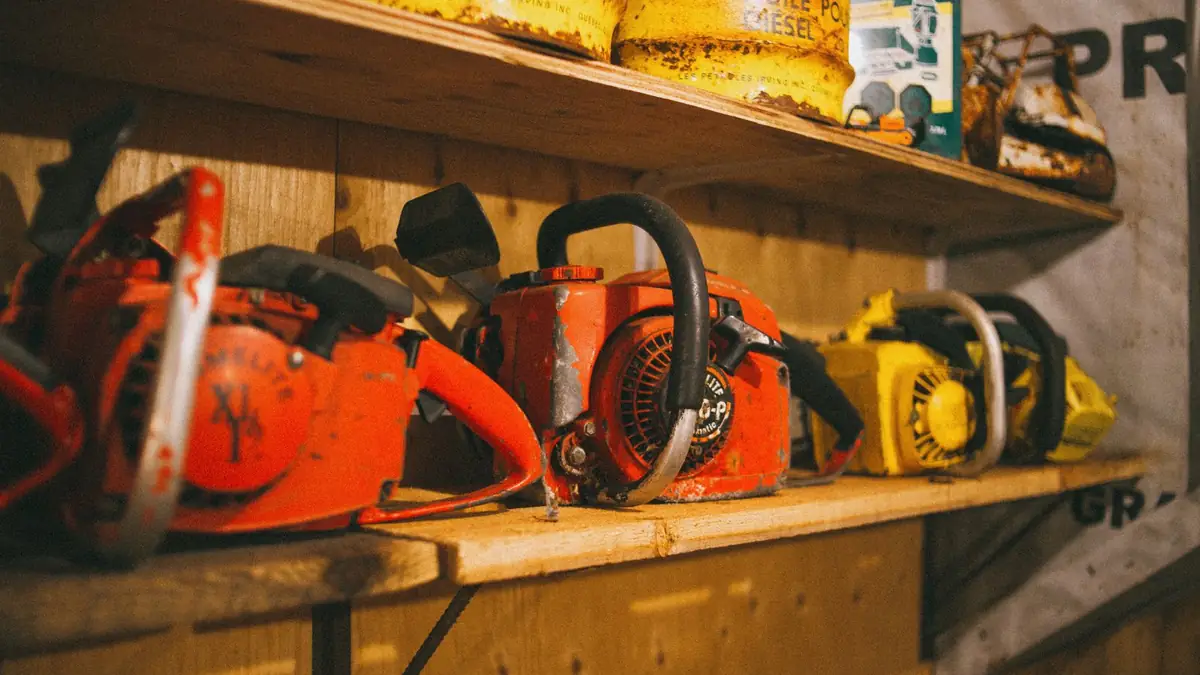
Gasoline starts degrading in about 30 days: ethanol blends absorb water, light compounds evaporate, and what's left gums into the varnish that plugs carburetor jets. That chemistry, not wear, is why the mower that ran perfectly in November needs a carb rebuild in April. A few dollars of stabilizer per season is the cheapest insurance this site will ever recommend.
The Picks
STA-BIL Storage: The Standard

Top Pick
STA-BIL Storage Fuel Stabilizer (32 oz)
The fifty-year standard: an ounce per 2.5 gallons keeps fuel fresh up to 24 months. The 32-ounce bottle treats 80 gallons of stored engines.
Check price on AmazonCheck the seller on Amazon
The red bottle that's protected stored engines for fifty years: one ounce per 2.5 gallons, up to 24 months of fuel life, ethanol-corrosion protection, and a dosing-cap bottle that makes the math foolproof. The 32-ounce size treats 80 gallons: years of mower, blower, generator, and washer storage for the price of one carburetor jet. If you buy one bottle for the shelf, it's this.
Sea Foam Motor Treatment: The Do-Everything
Stabilize + Clean
Sea Foam Motor Treatment
The do-everything: stabilizes for storage while cleaning varnish and lubricating the fuel system. The mechanics' tune-up in a can.
Check price on AmazonCheck the seller on Amazon
Part stabilizer, part fuel-system cleaner, part upper-cylinder lubricant. Sea Foam is the belt-and-suspenders choice, and the right one when the engine going into storage already runs a little rough: it stabilizes for storage while dissolving the light varnish already forming. Petroleum-based and gentle, it's the mechanics' pet answer. Costs more per treated gallon than STA-BIL; earns it when cleaning matters too.
The Picks at a Glance
| Product | Job | Best For |
|---|---|---|
| STA-BIL Storage 32 oz | Storage stabilization, 24 mo | The shelf standard: everything you store |
| Sea Foam | Stabilize + clean + lubricate | Engines that also need a tune-up in a can |
How to Use It (The Part People Skip)
Dose the tank per the label, then run the engine five minutes: stabilizer in the tank protects the tank; only running the engine moves treated fuel into the carburetor bowl where spring problems are born. Better yet, treat the gas can all season starting in September, so every fill from October on is already protected. And treat your generator's stored gasoline even if the generator is dual-fuel. The gas can is where old fuel hides.
Common Questions
Stabilize or drain the tank?
Either works; half-measures don't. Full tank + stabilizer + a five-minute run is easiest and keeps seals wet. Fully draining tank AND carb bowl also works but leaves seals dry over winter. The one guaranteed failure is untreated gas left sitting, which is the default when nobody decides.
Does stabilizer fix old gas?
No, it prevents, not cures. Gas that already smells sour or looks dark goes to the hazardous-waste run, not into your engine with a hopeful ounce of red liquid.
Do 2-cycle machines need it too?
Yes, the blower and chainsaw mix cans included. Or switch storage-season fuel to canned pre-mix, which is stabilized from the factory and sidesteps the issue entirely for small tanks.
Bottom Line
STA-BIL on the shelf, an ounce in everything that sleeps for winter, five minutes of running to move it through: do that each fall (our mower winterizing guide walks the whole routine) and spring starts on the first pull instead of at the repair shop.
Ready to buy?
Browse current pricing, current models, and reader reviews on Amazon. Your clicks keep these guides free.
Shop Fuel Stabilizers on Amazon →