How to Winterize a Lawn Mower: The One-Hour Routine That Guarantees a Spring Start
April's #1 repair is November's skipped hour: fuel, oil, battery, deck, storage, done
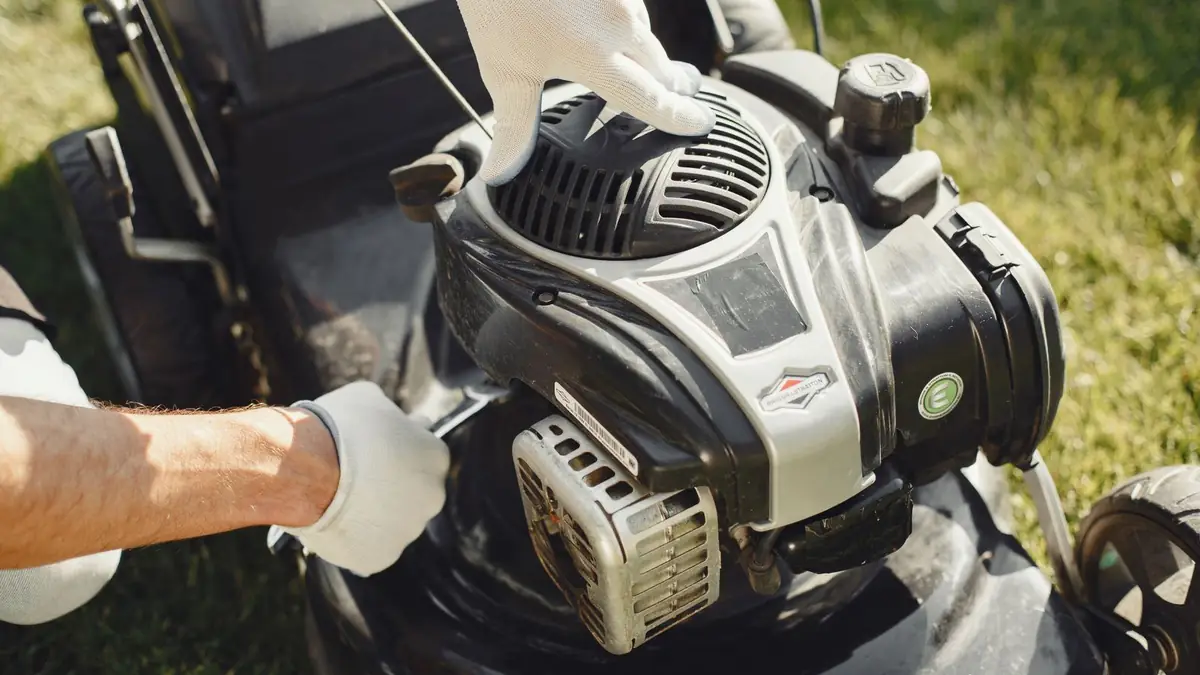
The number-one small-engine repair every spring is the same story: gas sat untreated all winter, turned to varnish, and plugged the carburetor. The second is a battery murdered by four months of slow discharge in the cold. Both are entirely preventable in one Saturday hour. The routine is below, in the order that makes each step easier.
Step 1: Deal With the Fuel (The One That Matters Most)
Two valid paths. Stabilize: add fuel stabilizer per the label to a full tank, then run the engine five minutes so treated gas fills the carburetor. The tank protects itself; the run protects the carb. Or drain: run the tank dry, then drain the carb bowl via its screw so nothing's left to varnish. Full-and-stabilized is easier and keeps seals from drying; bone-dry works too. The only wrong answer is the default one, untreated gas sitting five months.
Step 2: Change the Oil Warm
Old oil holds a season of acids and moisture. Exactly what you don't want etching bearings all winter. Run the engine a few minutes so the oil flows and contaminants suspend, then drain and refill per your manual (SAE 30 for most walk-behinds, synthetic 10W-30 for many). Storing on fresh oil means spring's first start happens on clean lubrication, and it converts winterizing into half of spring's tune-up already done.
Step 3: Battery on a Maintainer
Riding-mower batteries die of winter, not work: cold plus months of self-discharge sulfates the plates. Pull the battery (or connect in place if the mower stores near an outlet) and leave it on a smart maintainer, such as the Battery Tender Junior, which its listing says switches to float mode for long-term storage. It's useful for the mower, the ATV, and anything else with a 12V battery that sits all winter. Electric mower? Store its lithium packs indoors at the 40-60% charge the manual specifies, never on the charger all winter and never in hard freeze.
Step 4: Deck, Blade, and the Grass You're Storing
Caked grass under the deck holds moisture against steel for months. Winter is how decks rust through. Tip the mower correctly (air filter and carb UP), scrape the deck clean, and while you're under there, pull the blade for its winter sharpening: the one time of year sharpening has no line waiting. A coat of spray silicone on clean deck steel is cheap armor.
Step 5: Store It Dry, Store It Mouse-Aware
Under cover, off damp floors, and remember that a stored mower is rodent real estate: mice nest in shrouds and eat wiring. Skip the loose tarp-tent (it traps ground moisture and makes a cozier den); a breathable cover or an open shelf position beats it. Come spring: reconnect, check tires, and it starts. That's the whole payoff.
The One-Hour Checklist
| Job | Time | Prevents |
|---|---|---|
| Stabilize fuel + 5-min run (or full drain) | 10 min | Varnished carburetor: the #1 killer |
| Warm oil change | 15 min | Acid etching, spring tune-up |
| Battery to maintainer | 5 min | Dead battery, cracked case |
| Deck scrape + blade off to sharpen | 20 min | Deck rust, spring bottleneck |
| Dry, covered, mouse-aware storage | 10 min | Corrosion and chewed wiring |
Parking the mower is also the natural moment to stage the other side of the season: if a snow blower is on this year’s list, buy it now (October selection beats December scraps) and gas models want the same stabilizer you just used, from day one.
Same afternoon, same logic, higher stakes: blow out the irrigation system before the first hard freeze. A mower that skips winterizing costs you a carburetor; a sprinkler system that skips it costs you trenching.
Common Questions
When should I winterize?
After the last mow, for most of the country, late October through November. The maintenance schedule pairs it with the season's other bookends.
Do electric mowers need winterizing?
The easy version: clean the deck, sharpen the blade, and store batteries indoors at partial charge. No fuel, no oil, no carb. It's most of the argument in ourbattery vs gas comparison.
Should I run the tank dry instead of stabilizing?
Fine, if you also drain the carb bowl. Running until it sputters still leaves fuel in the bowl, which is exactly enough to varnish the jets. Bone dry or fully treated; the middle is the trap.
What about fogging oil?
A squirt into the cylinder guards against bore rust in damp storage: worthwhile for barns and coastal humidity, optional for a dry garage. If you do it, expect a smoky first minute in spring.
Comparing maintainers? See our battery tender guide.
Bottom Line
One hour, five jobs, in November: fuel treated, oil fresh, battery floating, deck clean, storage dry. The same routine serves the pressure washer and the generator's gas can: winterize the fleet in an afternoon and spring belongs to you instead of the repair shop.
Where to Buy Our Picks
The products from this guide, with current prices on Amazon.

The Essential
STA-BIL Storage Fuel Stabilizer (32 oz)
Step one in the routine, an ounce per 2.5 gallons and a five-minute run protects the carburetor until spring.
Check price on AmazonCheck the seller on Amazon
Battery Saver
Battery Tender Junior 12V 750mA Charger & Maintainer
An automatic 12V charger that switches to float mode for long-term storage, and works with lead-acid, AGM, and gel batteries, per the listing.
Check price on AmazonCheck the seller on Amazon
Keep It Running
The consumables owners of this gear buy again every season: the boring stuff that decides whether it starts.
Briggs & Stratton SAE 30 Engine Oil (2 x 18 oz)
The annual oil change most mowers never get - check your manual for the grade your engine calls for.
Check Price on Amazon →
Champion RC12YC Spark Plug (2-Pack)
A common small-engine plug - confirm the number against your engine before ordering.
Check Price on Amazon →Ready to buy?
Browse current pricing, current models, and reader reviews on Amazon. Your clicks keep these guides free.
Shop Winterizing Supplies on Amazon →