Best Grass Seed for Fall Planting in 2026
The bag you grab off the shelf matters more than everything you'll do to the lawn afterward — here's how to read past the marketing
Top Picks (At a Glance)
Quick links to the products we recommend most in this guide. Prices shown on Amazon at click-through.

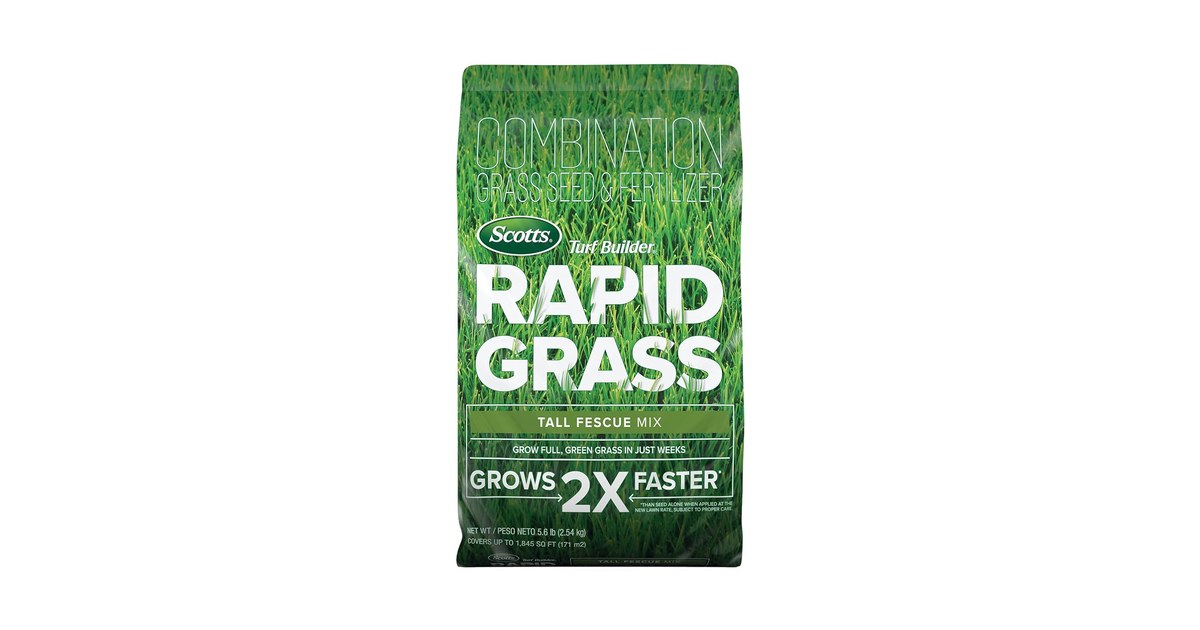
Scotts Turf Builder Rapid Grass (Tall Fescue Mix)
Seed and starter fertilizer in one bag with visible germination in days — the easiest path from bare dirt to green for overseeding season.
Check Price on Amazon →
Jonathan Green Black Beauty Sun & Shade
The lawn-nerd favorite — elite dark-green tall fescue genetics with a waxy drought coat. The seed people buy after seeing a neighbor's yard.
Check Price on Amazon →
Pennington Kentucky 31 Tall Fescue (20 lb)
The value workhorse — proven K-31 fescue by the 20-pound bag for big overseeds, rough areas, and budgets that care about dollars per thousand square feet.
Check Price on Amazon →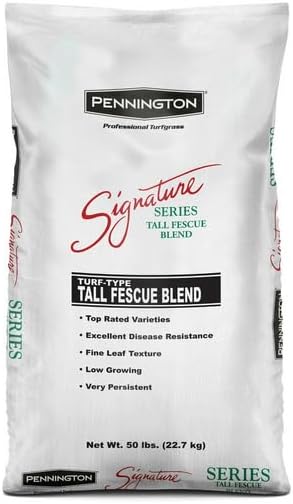
Pennington Signature Series Blue Tag (50 lb)
Certified blue-tag purity in a 50-pound sack — the acreage and renovation pick where seed quality gets audited, not advertised.
Check Price on Amazon →Grass seed is sold like breakfast cereal — bright bags, bold promises, and a label nobody reads. But the label is the whole product: species, purity, germination rate, and how much of the bag is actually inert filler. This guide picks four bags worth buying this fall and teaches the sixty seconds of label reading that beats every marketing claim in the aisle.
First: Match the Species to Your Life
Everything on this page is cool-season seed — tall fescue and its blends — because this guide is specifically for cool-season lawns. Tall fescue is the default for good reason: deep roots, real drought and traffic tolerance, shade-capable, and it doesn't creep into beds. If you're in the deep South on bermuda or St. Augustine, your season is late spring sod and plugs, not fall seed — different article, different year.
The Picks
Scotts Rapid Grass — The Forgiving Default
Seed pre-mixed with starter fertilizer and a coating that holds moisture at the seed — which converts directly into germination you can see inside a week and a fill-in most bags can't match. Per pound it's the priciest fescue here; per successful square foot it's arguably the cheapest, because coating and feeding remove the two most common overseeding failures (drying out and starving). First overseed? Buy this and follow the bag.
Jonathan Green Black Beauty — The Enthusiast Bag
Jonathan Green breeds turf-type tall fescues with genuinely darker color, an invisible-until-you-see-it waxy leaf coating that cuts water loss, and deep-rooting turf-type fescue genetics when soil and maintenance conditions allow. This is the seed the lawn-care forums buy with their own money. It costs like it, and it rewards actual prep — soil contact, starter fertilizer, consistent watering. Pair it with the right spreader and the results photograph.
Pennington Kentucky 31 — The Honest Workhorse
K-31 is the pickup truck of grass seed: 1940s genetics, wider blade, lighter green — and utterly reliable at covering ground for the lowest cost per thousand square feet. Rough areas, rentals, play zones, the strip behind the wood pile, and big overseeds where elite color isn't the point. Twenty pounds covers a lot of honest lawn.
Pennington Signature Blue Tag — The Certified Acreage Play
"Blue tag" means state-certified purity and germination — the seed's pedigree is audited, not asserted. That matters when you're buying 50 pounds and a renovation's worth of labor rides on the bag being what it says. Small-lawn owners don't need certification; anyone seeding by the half-acre does.
The Sixty-Second Label Read
Flip any bag and find the analysis tag. Four numbers decide everything: Purity (named-variety percentages — you want varieties listed by name, not "VNS," variety not stated), germination rate (85%+ is good seed; 75% is a discount that isn't), weed seed (0.00% is the only acceptable number — 0.5% weed seed plants thousands of weeds per bag), and inert matter (coating counts as inert, so coated seed reads high honestly — uncoated seed above ~5% inert is just filler you paid seed prices for).
The Picks at a Glance
| Seed | Type | Best For | Character |
|---|---|---|---|
| Scotts Rapid Grass | TTTF mix + fertilizer | First-timers, fast fill | Forgiving, fast, coated |
| Black Beauty Sun & Shade | Elite TTTF blend | Showcase lawns | Dark, dense, drought-armored |
| Pennington K-31 20 lb | Classic tall fescue | Budget acreage, rough duty | Tough, plain, cheap per sq ft |
| Pennington Blue Tag 50 lb | Certified TTTF | Large renovations | Audited purity at scale |
Planting It So It Lives
The seed is a third of the outcome; the calendar and the contact are the rest. Timing: the late-summer or early-fall period recommended for your region — generally warm soil, cooling nights, and enough time for establishment before hard freezes (the full timing logic is in the seed spreader guide). Contact: mow low and bag, rough up the soil, spread crosshatched, rake lightly so seed touches dirt — a landscape rake earns its keep here. Water: lightly, twice a day, for two weeks — the only high-effort stretch, and the one that decides germination. Then starter fertilizer per the spreader guide's fall calendar and let October do its work.
Common Questions
How much seed do I actually need?
Overseeding thin turf: 3-4 lbs per 1,000 sq ft of tall fescue. Bare-soil renovation: 6-8 lbs. More is not better — overcrowded seedlings strangle each other; the bag rate exists for a reason.
Is coated seed worth the reduced seed-per-pound?
For most homeowners, yes — the moisture coating rescues the missed watering day that kills uncoated germination. Experienced folks with irrigation get more raw seed buying uncoated.
Can I just throw seed on the lawn without prep?
You can throw money anywhere you like. Seed that doesn't touch soil germinates in the thatch and dies in the first dry weekend. Twenty minutes of raking doubles your take rate — no bag on this page fixes skipped prep.
Why did my spring seeding fail when fall works?
Spring seedlings hit summer heat with baby roots; fall seedlings hit winter dormancy with two months of root mass. Cool-season grass is built for the fall calendar — that's why this article exists in August.
Bottom Line
Rapid Grass if you want the surest path to green, Black Beauty if you want the best lawn on the street, K-31 if you're covering serious ground on real budgets, and Blue Tag when the job's big enough to demand receipts. Buy the bag now, the spreader if you don't own one, and check your local extension calendar — timing is as important as the bag.
Ready to buy?
Browse current pricing, current models, and reader reviews on Amazon — your clicks keep these guides free.
Shop Grass Seed on Amazon →