Best Seed Spreaders for Overseeding in 2026
Grass seed is the most expensive thing you'll ever pour into a hopper — the spreader decides how much of it becomes lawn
Top Picks (At a Glance)
Quick links to the products we recommend most in this guide. Prices shown on Amazon at click-through.

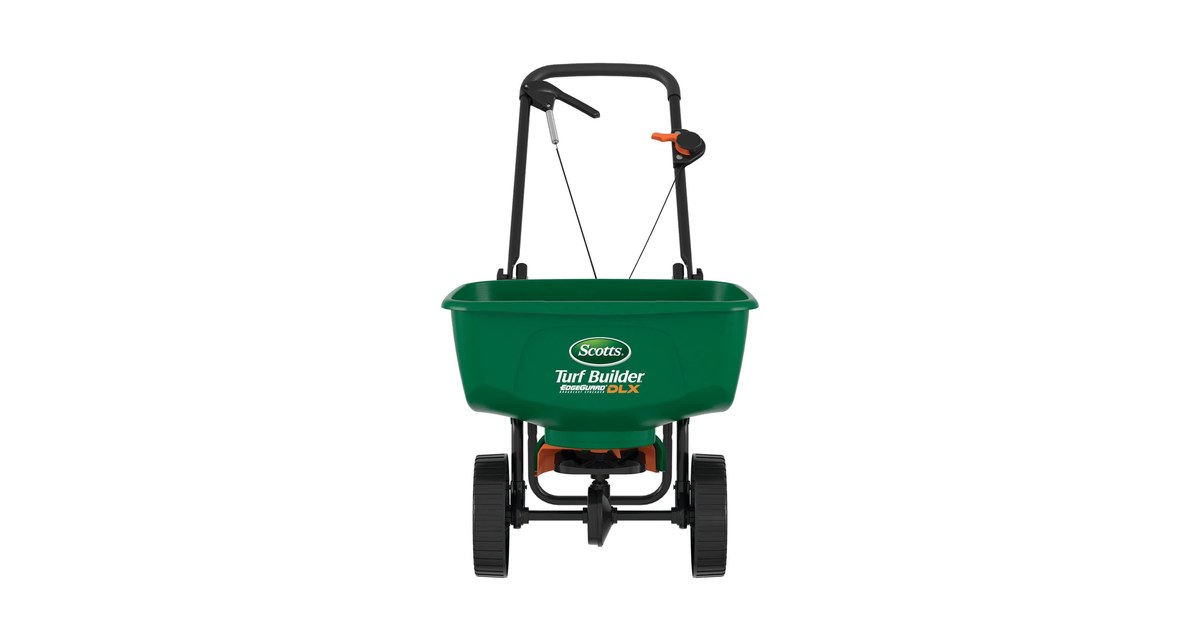
Scotts Turf Builder EdgeGuard DLX Broadcast
The overseeding workhorse — every Scotts seed bag prints its DLX setting, and EdgeGuard keeps expensive seed out of the beds and off the pavement.
Check Price on Amazon →
EarthWay 3100 Chest-Mount Hand Crank (40 lb)
The pro seeding rig for slopes, ditches, and rough ground a wheeled spreader can't roll — 40 pounds on a harness with even-spread agitation.
Check Price on Amazon →
Scotts Whirl Hand-Powered Spreader
The patch-repair specialist — dial it small, crank it slow, and fix bare spots without broadcasting seed across half the yard. A popular compact option.
Check Price on Amazon →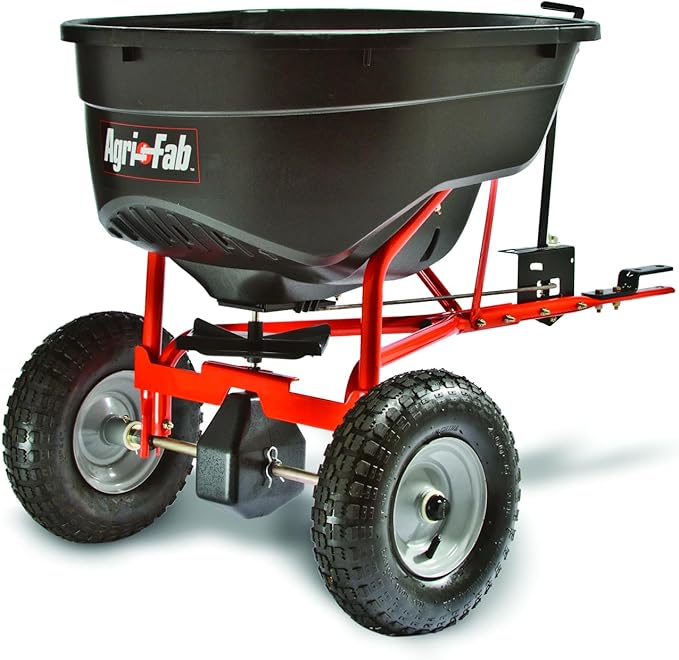
Agri-Fab 130 lb Tow-Behind Broadcast
For overseeding measured in acres — behind a tractor or zero-turn, it puts down seed at mowing speed with capacity to finish the job in one fill.
Check Price on Amazon →Good grass seed runs several dollars a pound, and a fall overseeding job puts down 3-8 pounds per thousand square feet. That makes seed the priciest granular product your lawn will ever see — and unlike fertilizer, seed placement is binary. Where it lands evenly on prepared soil, you get lawn. Where the spreader skips, stripes, or flings it into the mulch, you get exactly nothing for your money. Same machines as the fertilizer spreader guide, different stakes — and a few seed-specific picks that guide doesn't cover.
What Changes When the Hopper Holds Seed
Seed doesn't meter like fertilizer. Granular fertilizer is dense, uniform pellets; seed ranges from powdery bentgrass to chunky tall fescue, it bridges over small openings, and it's wildly sensitive to humidity. That's why agitation matters — the EarthWay units' even-spread fingers and the Scotts baffle exist to keep seed flowing instead of clumping.
Coverage shows every mistake. A missed fertilizer stripe greens up late; a missed seed stripe stays dirt until spring. The crosshatch rule from the fertilizer guide goes from good practice to mandatory: half rate, two perpendicular passes, every time seed's in the hopper.
Seed-to-soil contact does the real work. The spreader is step two of three. Mow low and bag first; spread; then drag or rake so seed touches dirt — the landscape rake guide covers the before-and-after. Seed sitting on thatch is bird food.
The Picks
Scotts EdgeGuard DLX — Whole-Lawn Overseeding Default
Everything that makes it the default fertilizer machine applies double for seed: bag-printed settings remove the calibration guesswork that ruins overseeding jobs, and EdgeGuard keeps four-dollar-a-pound seed off the driveway. Fifteen thousand square feet of hopper capacity means a typical suburban overseed happens in one fill. If you own one spreader for both jobs, this is it.
EarthWay 3100 — The Slope and Rough-Ground Answer
Wheeled spreaders have a blind spot: anywhere wheels can't roll. Slopes past 15 degrees, drainage ditches, fresh-graded dirt too soft for wheels, the strip behind the wood pile — that's chest-mount territory. The 3100 hangs 40 pounds on a padded harness, cranks a consistent broadcast up to 12 feet, and its even-spread agitator handles everything from fine fescue to pasture mixes. It's the tool erosion-control and hydroseed crews carry for touch-ups, at a homeowner price.
Scotts Whirl — The Patch Surgeon
Most "overseeding" is actually a dozen bare spots: the dog's corner, the grub patch, where the splitter sat all spring. Loading a walk-behind for that is silly. The Whirl dials down small, cranks slow, and puts a coffee can's worth of seed exactly where the dirt is — which is why it's a popular, compact spreader and the correct second spreader for everybody.
Agri-Fab Tow-Behind — Overseeding by the Acre
Pasture renovation, big rural lawns, the back three acres — at that scale you're spreading 50-plus pounds of seed and walking isn't a plan. The Agri-Fab's 130-pound hopper behind a tractor or zero-turn lays seed at mowing speed. Same unit as the fertilizer guide, same advice: budget the assembly hour, grease it yearly.
The Picks at a Glance
| Spreader | Type | Best Seed Job |
|---|---|---|
| Scotts EdgeGuard DLX | Walk-behind broadcast | Whole-lawn overseeding, up to 1/2 acre |
| EarthWay 3100 | Chest-mount crank | Slopes, ditches, rough or soft ground |
| Scotts Whirl | Hand-held | Bare-spot repairs and small yards |
| Agri-Fab 130 lb | Tow-behind | Acreage and pasture |
The Fall Overseeding Window (Don't Miss It)
Cool-season grass — fescue, rye, bluegrass, which is most American lawns — germinates best in warm soil with cooling air: roughly August 25 through the end of September in the northern half of the country, a couple weeks later in the transition zone. Seed then gets two full months of root growth before frost. Seed in October and germination limps; seed in spring and summer heat kills half of what sprouts. Use local extension guidance and the seed label to choose the window for your region.
The sequence that works: mow at the deck's lowest healthy setting and bag it → rake or dethatch the target areas → spread seed at the bag's overseeding rate, crosshatched → starter fertilizer (same spreader, new setting) → water lightly twice daily for two weeks. Every tool in that sequence is on this site; the seed does the rest.
Common Questions
Can I mix seed and fertilizer in the hopper?
No — they meter at different rates, so one of them goes down wrong. Two passes, correct setting each. Starter fertilizer after seed, not with it.
What setting for grass seed?
Scotts products: printed on the bag for the DLX. Other brands: use the bag's rate table, or start one-third open and calibrate on a tarp — weigh what a 10×10 pass drops and adjust. Seed skews smaller openings than fertilizer.
Broadcast or drop spreader for seed?
Broadcast with crosshatching for lawns — faster and forgiving. Drop only wins for surgical work along beds, and its miss-a-stripe penalty is worse with seed than with anything else you'll ever spread.
Will a seed spreader handle ice melt in winter?
The Whirl and the DLX both moonlight as ice-melt spreaders — one more reason they earn year-round garage space. Rinse thoroughly after; salt is harder on the hardware than seed ever will be.
Bottom Line
One tool for everything: the EdgeGuard DLX. Terrain a wheel can't handle: the EarthWay 3100. Patches: the Whirl. Acres: the Agri-Fab. Whichever it is, prepare before your region's overseeding window, then calibrate carefully and prioritize seed-to-soil contact.
Ready to buy?
Browse current pricing, current models, and reader reviews on Amazon — your clicks keep these guides free.
Shop Seed Spreaders on Amazon →