Best Generator Interlock Kits for 2026: Whole-Panel Backup for Pocket Change
The transfer switch's budget cousin: one machined plate between your generator and the whole panel, with rules that never bend
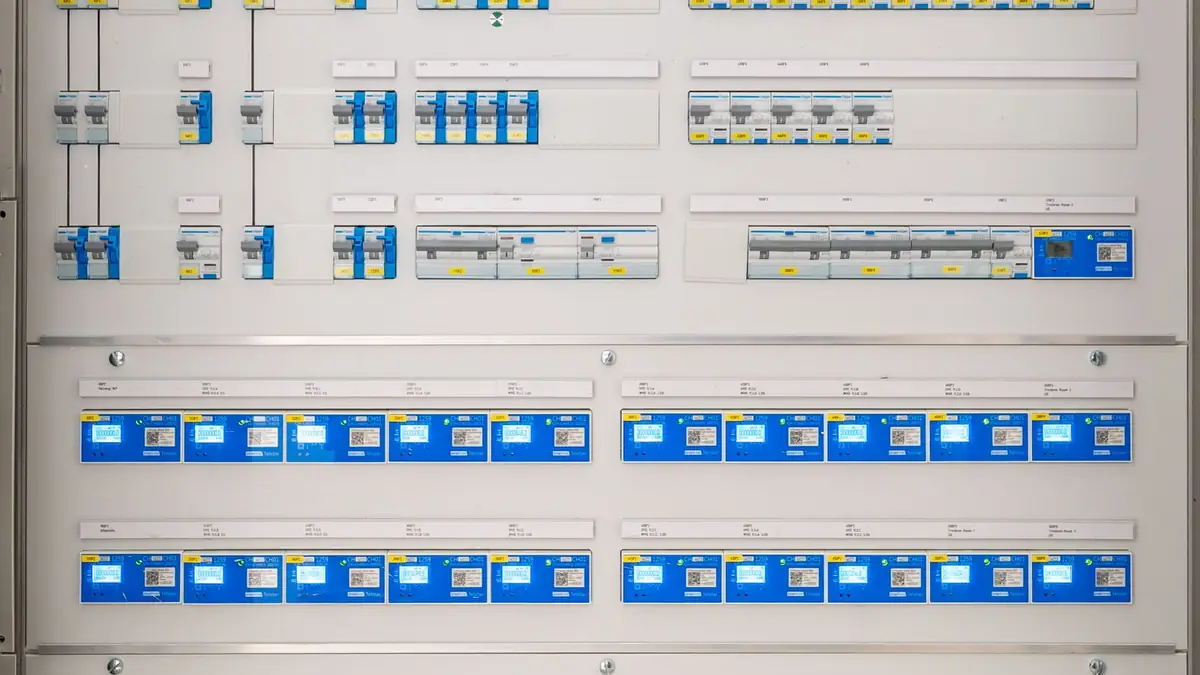
The transfer switch is the gold standard, but it costs several hundred dollars installed and covers six circuits. The interlock approach spends a tenth of that on a machined plate plus a generator back-feed breaker, and gives you the whole panel, managed manually by switching breakers to stay within the generator's wattage. It's the enthusiast's answer, and done with listed or classified equipment and AHJ approval, it can be an accepted installation.
How an Interlock Works
One sliding steel plate, two positions: with the main breaker ON, the plate blocks the generator breaker from switching on; slide it to energize the generator breaker and it forces the main OFF first. Utility and generator power physically cannot coexist. Add a power inlet box outside, a four-wire cord to the generator, and during an outage you flip the main off, slide, flip the generator breaker on, and manage the house breaker-by-breaker within your machine's wattage, the calculator tells you what fits.
The Picks
Natupal-Compatible Square D QO / Homeline Kit: Third-Party Option

Square D Panels
Natupal-Compatible Square D QO/Homeline Kit (150/200A)
A third-party compatibility option for certain QO/Homeline panels: verify the exact panel model, spacing, independent certification, and AHJ acceptance before purchase.
Check price on AmazonCheck the seller on Amazon
This Natupal marketplace kit claims compatibility with certain 150/200-amp Square D QO and Homeline panels having 1-3/8-inch main-to-generator spacing. It is not presented here as an OEM Square D product, and physical fit alone does not establish code acceptance. Have your electrician verify the exact panel model, spacing, labeling or independent certification, and AHJ acceptance before ordering.
Eaton BR-Compatible Kit: Third-Party Option
Eaton Panels
Third-Party Eaton BR-Compatible Kit (150/200A)
A third-party compatibility option for certain Eaton/Cutler-Hammer BR panels. Use only if your electrician verifies fit, certification, and AHJ acceptance.
Check price on AmazonCheck the seller on Amazon
This marketplace kit claims compatibility with certain 150/200-amp Eaton/Cutler-Hammer BR panels; it is not presented here as an OEM Eaton product. Your electrician must verify the precise panel configuration, spacing, equipment certification, and local approval before it becomes a viable choice.
Start With Your Panel Maker's Own Kit
Before you buy a marketplace kit, check whether your panel's maker sells one. Schneider Electric, for example, lists these Square D Homeline generator interlock kits:
| Square D kit | For Homeline main-breaker load centers with | Generator breaker limit |
|---|---|---|
| HOMCRBGK1C | Series S convertible load centers, NEMA 1 (indoor) or 3R (outdoor), with a QOM1-frame main breaker (100-125A) | Cannot exceed the main breaker's amperage |
| HOMCGK2C | Series S (NEMA 1) and S1 (NEMA 3R) convertible load centers with a QOM2 main breaker (150-225A) | 125A max |
| HOMRBGK2C | Series S2, S3 and S4 NEMA 3R (outdoor) convertible load centers with a QOM2 main breaker (150-225A) | 125A max |
Schneider says there is no kit for Series 1, 2 or 3 Homeline load centers, that HOMCGK2C does not fit the 60-space Homeline centers, and that these kits are not for combination service entrance devices (Schneider Electric FAQ). Other panel makers publish their own lists; ask your electrician to check yours.
Independent kits exist too. Interlock Kit's own instructions, for example, describe its kits as classified to UL 67 "with respect to installation and mechanical operation only," and include a breaker retainer that they say meets NEC Article 408.36 (Interlock Kit instructions). Whatever you buy, it's your inspector who decides whether it's accepted.
What to Read Off Your Panel Before You Order
- Maker and catalog number from the label inside the panel door.
- Series (Square D prints it on the label; it decides which kit fits).
- Main breaker frame and amperage, and whether the panel is indoor (NEMA 1) or outdoor (NEMA 3R).
- Space next to the main: the generator breaker has to go in the slot the kit is built around.
- Your generator's outlet: most 30-amp portables use an L14-30 outlet, which sets the inlet box and cord you need.
Interlock vs Transfer Switch
| Interlock kit | Transfer switch | |
|---|---|---|
| Cost installed | Low | Several hundred+ |
| Coverage | Whole panel, managed manually | Six chosen circuits, labeled |
| 3 AM idiot-proofing | You manage the load | The switch manages you |
| Inspector variability | Jurisdiction-dependent | Broadly accepted when properly installed |
Common Questions
Are third-party interlock kits legal?
Only where the equipment is properly listed or classified for the application and your AHJ accepts it. Some jurisdictions insist on panel-manufacturer kits. Ask your electrician and local building department before ordering; do not rely on an Amazon compatibility claim.
What else does the install need?
A generator back-feed breaker sized to your machine, a retaining clip for that breaker (usually code-required), an outdoor power inlet box, and the heavy cord connecting it all, plus the electrician's afternoon and the permit.
Can I run my whole house on it?
You can reach the whole panel; you still can't exceed the generator. The manual-management discipline: heat or AC circuits mostly stay off, big loads take turns, and the wattage math governs. That discipline is the price of the interlock's savings.
Bottom Line
For the budget-minded and breaker-literate, an interlock kit: properly listed or classified, matched exactly to your panel, installed by an electrician, and approved by your inspector: delivers whole-panel backup for transfer-switch pocket change. If any of those conditions gives you pause, the Reliance kit remains the sleep-easy answer. Still choosing the generator? Start with our home generator guide and Champion dual-fuel review. Either way: no interlock, no backfeed, no exceptions.
Sources
Ready to buy?
Browse current pricing, current models, and reader reviews on Amazon. Your clicks keep these guides free.
Shop Interlock Kits on Amazon →