Best Ice Melt for 2026: What to Buy for Concrete, Pets, and Deep-Cold Days
The cheapest product in winter, and the one that quietly ruins the most concrete - here's how to buy it right
Top Picks (At a Glance)
Quick links to the products we recommend most in this guide. Prices shown on Amazon at click-through.

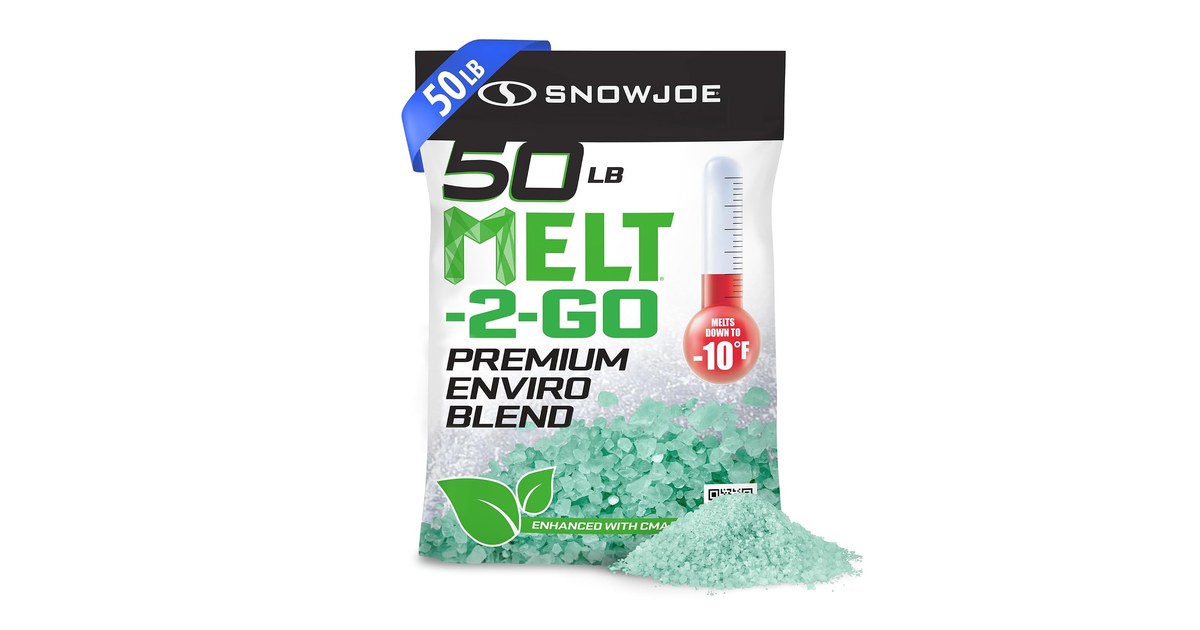
Snow Joe Premium Enviro Blend Ice Melt, 50 Lb
The sensible default - CMA-blended crystals that work fast, treat a whole season, and go easier on concrete than straight salt.
Check Price on Amazon →
Safe Paw Pet-Safe Ice Melt, 35 Lbs
The chloride-free choice for households with dogs - no salt burn on paws, no poisoning risk, safe on most surfaces.
Check Price on Amazon →
Home and Country USA Rock Salt, 50 Lb Bag
Plain deicing salt in bulk - the budget workhorse for big paved areas when pets and new concrete aren't in the picture.
Check Price on Amazon →Every winter aisle sells six bags that all say ICE MELT, and the differences hide in the fine print: which chemical, effective to what temperature, and what it does to concrete, paws, and plants. The thirty-second chemistry lesson pays for itself the first season.
The Chemistry, Fast
Sodium chloride (rock salt) is cheap and works to about 15 degrees F - below that it just sits there. It's also the hardest on concrete, steel, and vegetation. Calcium and magnesium chloride work far colder (calcium to 25 below) and act faster, at a higher price. Blends with CMA (calcium magnesium acetate), like the Snow Joe, buffer the corrosive edge - the practical middle ground. Chloride-free products like Safe Paw trade some raw melting power for being safe around animals and most surfaces.
Snow Joe Enviro Blend - The Season Bag
This is the bag to keep by the door: a CMA (calcium magnesium acetate) blend that starts melting on contact and is less corrosive than straight salt - gentler on cured concrete, metal, and the grass at the pavement edge, per the maker. Fifty pounds handles a typical driveway-and-walks season with spreading to spare, and the formula is residue-free, so it doesn't track into the house the way plain salt does. Apply it thin and even - over-application is where all ice melt damage starts.
Safe Paw - When Paws Use the Path
Chloride salts hurt dogs two ways: they burn paw pads on contact, and dogs poison themselves licking them off afterward. Safe Paw is the established chloride-free answer - a 100 percent salt- and chloride-free formula rated by the maker to 15 below zero, with a traction agent blended in for grip on what hasn't melted yet - and it removes both risks entirely. It costs more per pound; buy it for the routes paws travel and use the cheaper blend on the driveway if you want to split the difference.
Rock Salt - The Bulk Workhorse, With Caveats
For long paved runs, rental properties, and anywhere the only question is cost per square foot, a 50-pound bag of plain deicing salt is still the value play. The caveats are real: keep it off concrete less than a year old (spalling), off decorative pavers, out of flower beds, and away from pets. If any of those are in play, the blend is worth its premium.
Using It Right
Shovel first, melt second. Ice melt is a film-breaker, not a snow remover - clear with the shovel or blower, then scatter thinly on what's left. A coffee mug covers roughly a sidewalk square; more is waste and runoff. Pre-treating before freezing rain is the one time to apply to dry pavement. Spread it with a scoop or gloved hands, never bare - chloride salts dry and crack skin fast. Store the bag sealed and off the floor - every chloride product clumps into a boulder the first humid week, which is also a reason the heated corner of the shop makes a better home for it than the shed. Come spring, rinse the residue off the concrete apron - your pressure washer was built for exactly that job.
Common Questions
What ice melt is safest for concrete?
Chloride-free products, then CMA-buffered blends. Plain rock salt is the hardest on it - and nothing chloride-based should touch concrete poured within the last year, which is still curing and spalls easily.
Does ice melt stop working when it's really cold?
Rock salt effectively quits around 15 degrees F. Calcium chloride keeps working to roughly 25 below. If your cold snaps go subzero, the bag's rated temperature is the spec that matters most.
Is ice melt bad for dogs?
Chloride-based melts are - paw burns and ingestion sickness are routine vet visits every winter. Use a chloride-free product like Safe Paw on any path pets use, and wipe paws after walks on treated public sidewalks.
How much ice melt should I put down?
Far less than feels right - a thin, visible scatter, about a mug per sidewalk square. Piles don't melt faster; they concentrate damage and wash into the lawn. Even coverage after clearing is the whole technique.
Ready to buy?
Browse current pricing, current models, and reader reviews on Amazon — your clicks keep these guides free.
Shop Ice Melt on Amazon →